Why sync matters for creator growth
Syncing your Farcaster identity with X isn't just a convenience feature; it is the primary lever for audience expansion in the current crypto-social landscape. Without automated data flow between these platforms, you are leaving significant reach and monetization potential on the table. By connecting your accounts, every post you make on X can automatically appear on Farcaster and the Base app, ensuring your voice reaches the widest possible audience without requiring duplicate effort.
This cross-platform presence allows you to support long-form threads and maintain a consistent brand voice across different ecosystems. For creators, this means converting casual followers on one platform into engaged community members on another, driving traffic back to your core monetization channels. The infrastructure is now in place to make this seamless, turning fragmented attention into a unified growth engine.
As Farcaster shifts its strategy to prioritize wallet-first models, the ability to sync social signals becomes even more critical. You are not just posting content; you are building a verifiable, cross-chain reputation that can be leveraged for future opportunities. Syncing ensures that your on-chain activity and off-chain social proof work together, creating a robust foundation for long-term creator growth.
Infrastructure choices for reliable sync
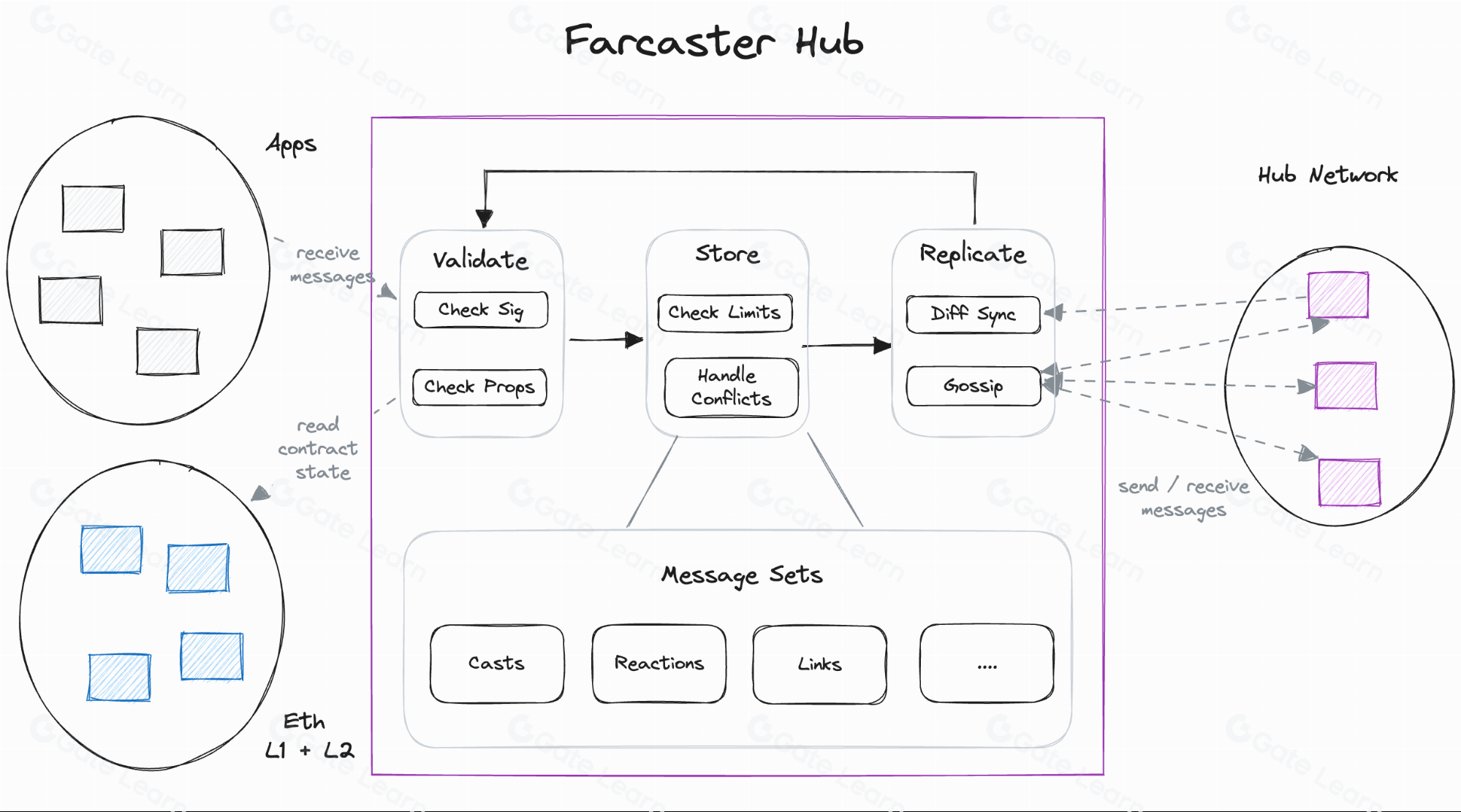
Building a robust Farcaster sync strategy requires choosing between self-hosting your own hub or relying on managed services. The decision hinges on your tolerance for operational overhead versus the need for absolute data sovereignty. Understanding the underlying mechanics—specifically delta graphs and the multi-phase sync process—is essential for making an informed infrastructure choice.
How Farcaster Hubs Sync
Farcaster hubs do not simply download every message from genesis. Instead, they use a delta graph to track changes in state. This approach significantly reduces bandwidth and storage requirements, allowing hubs to stay synchronized with the network efficiently. The sync process typically involves three phases: snapshot sync to catch up to the current state, gossip sync for real-time propagation, and verification to ensure data integrity.
According to the official Farcaster protocol discussions, this multi-channel sync process ensures that hubs remain consistent even as the network scales. By focusing on deltas rather than full state dumps, the network minimizes the latency between when a message is cast and when it appears across the hub network.
Self-Hosted vs. Managed Hub Options
For most teams and individual developers, the choice comes down to resource allocation. Self-hosting offers complete control but demands significant DevOps effort to maintain uptime and data consistency. Managed hubs abstract away the infrastructure complexity, allowing you to focus on application logic rather than database maintenance.
The table below compares the two primary approaches based on cost, reliability, and technical overhead.
| Option | Cost | Reliability | Technical Overhead |
|---|---|---|---|
| Self-Hosted | Low (Infrastructure only) | High (Full control) | High (Requires DevOps) |
| Managed Hub | High (Subscription/API fees) | Medium (Dependent on provider) | Low (API integration only) |
Market Research and Tooling Landscape
The infrastructure supporting Farcaster sync has matured from experimental scripts into a structured ecosystem of specialized tools. For financial professionals, this shift matters because it dictates the reliability of data pipelines and the security of cross-platform identity management. The market now offers distinct categories of solutions: automated cross-posting bots that bridge Farcaster with X, and analytics platforms that track engagement across these decentralized networks.
Cross-Posting and Sync Infrastructure
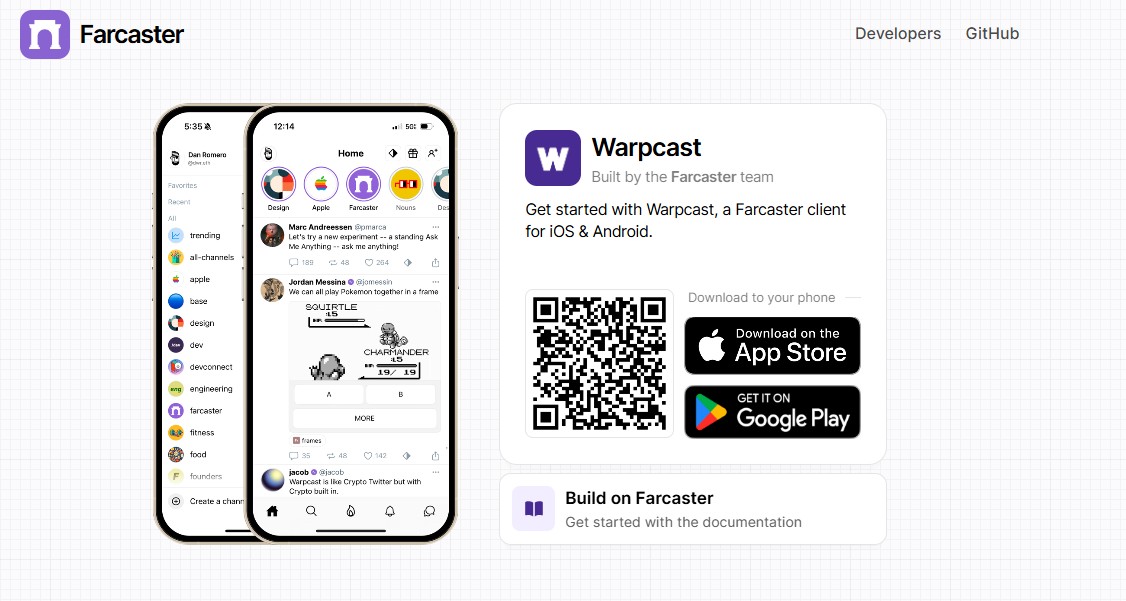
The most visible layer of this ecosystem involves tools that automate content distribution. Services like Farcaster Sync allow users to connect their X accounts, automatically mirroring posts to Farcaster and the Base app. This reduces manual friction but introduces a dependency on third-party relay services. When evaluating these tools, the primary concern is not just convenience, but the integrity of the data stream. A broken sync can lead to missed market signals or delayed communications during high-volatility events.
| Tool Category | Primary Function | Risk Profile |
|---|---|---|
| Cross-Posting Bots | Mirror X posts to Farcaster/Base | Medium (API dependency) |
| Analytics Platforms | Track cross-chain engagement | Low (Read-only access) |
| Node Infrastructure | Run local Hubble nodes | High (Operational overhead) |
Hardware Requirements for Local Nodes
For organizations requiring maximum data sovereignty, running a local Hubble node is the most robust option. This approach eliminates reliance on centralized relays but demands significant computational resources. The hardware requirements for a high-performance sync client are substantial, necessitating fast storage and ample RAM to handle the growing state of the Farcaster protocol.


As an Amazon Associate, we may earn from qualifying purchases.
Analytics and Market Data
Beyond content distribution, analytics platforms provide the quantitative data needed to assess the health of Farcaster-based projects. These tools aggregate on-chain activity and social sentiment, offering a clearer view of user adoption than traditional web2 metrics. As the protocol evolves, the availability of reliable, provider-backed data will become a critical differentiator for investors and developers alike.
Monetization paths enabled by sync
A robust sync strategy does more than keep your data consistent; it directly influences revenue by enabling wallet-first conversions. Farcaster has shifted its core strategy from a social-first model to a wallet-first architecture, meaning that seamless transaction infrastructure is no longer optional—it is the foundation of creator monetization src-serp-5. When your sync layer handles identity and state updates in real-time, users can move from content engagement to financial interaction without friction.
This friction reduction is critical for frame interactions. Frames that require on-chain actions, such as minting or tipping, rely on instant confirmation to maintain user interest. If your sync pipeline lags, the conversion opportunity vanishes. By ensuring that wallet signatures and transaction states are reflected immediately across your frontend and backend, you preserve the momentum of the user journey. This is particularly relevant given the current registration costs and rental fees associated with maintaining an active presence on the protocol.
To contextualize the potential revenue per transaction, consider the current market value of the underlying asset:
Syncing your data correctly also means you are prepared for the economic realities of the platform, such as the ~$7 annual registration rent required to maintain account activity src-serp-8. Your infrastructure must support not just the creation of content, but the seamless execution of the micro-transactions that turn that content into a sustainable business model. Without this technical backbone, the path from engagement to revenue remains blocked.
Farcaster activity and market context
Syncing a Farcaster hub is less like flipping a switch and more like coordinating a massive, distributed library. Before committing infrastructure to this model, it helps to see how the broader ecosystem behaves. The network's reliance on Ethereum for identity and storage means its activity often mirrors broader crypto market cycles, but with a distinct lag as hubs reconcile state.
The chart below visualizes Ethereum's recent performance. While Farcaster doesn't have its own public token, the health of the underlying Ethereum layer directly impacts hub operational costs and user adoption. When ETH is stable or trending upward, the "rent" required to maintain a Farcaster identity becomes a smaller concern, encouraging more hubs to stay online and sync efficiently.
Syncing data isn't just about bandwidth; it's about trust in the chain. If Ethereum faces congestion, hub sync times increase, leading to fragmented views of the social graph. This technical reality underscores why monitoring base layer stability is a prerequisite for any serious Farcaster infrastructure strategy.
No comments yet. Be the first to share your thoughts!