What Farcaster Sync Actually Means
When you see "Farcaster Sync" in 2026, it usually refers to one of two very different things. In the developer and infrastructure space, it describes the process of replicating the Farcaster protocol's data to a local or centralized database. On the creator side, it often refers to third-party tools that automatically copy posts from platforms like X (Twitter) into Farcaster.
The protocol-level sync is the backbone of the network. Farcaster uses a hub-and-spoke architecture where data is stored on-chain for identity and off-chain for content. To query this data efficiently, developers run nodes that sync the entire network state. This allows for fast reads and complex analytics without clogging the base layer. The official Farcaster documentation details how to run a Snapchain node to get real-time access to this replicated data.
The second type of sync is a growth tool. Services like Farcaster Sync connect an X account to a Farcaster account, automatically posting every tweet to Farcaster. This isn't part of the protocol; it's an external integration designed to help creators gain extra reach and support threads across platforms. While useful for audience expansion, it doesn't interact with the underlying Farcaster hub infrastructure.
Understanding this distinction is critical for anyone building on Farcaster. If you are analyzing network health or building a client, you need the protocol-level sync. If you are a creator trying to cross-post content, you need a bridge. Confusing the two leads to poor technical decisions and misaligned expectations about what the platform can do.
Hub Infrastructure and Data Reliability
Farcaster’s architecture relies on a distributed network of independent nodes called hubs. These servers are responsible for storing and synchronizing all off-chain data, such as user profiles, casts, and reactions. While identity data lives on-chain, the heavy lifting of social interaction happens here, making the health of the hub network the backbone of the entire platform.
The system is designed for speed and consistency. According to official protocol discussions, messages typically arrive at hubs in under 10 seconds 90% of the time. More importantly, 99% of hubs remain in sync with the network state. This high level of replication ensures that no single point of failure can take down the social graph, providing a reliable foundation for developers building creator applications.
However, being "online" does not guarantee a hub is ready to serve accurate data. Developers must actively query the network to verify a hub's sync percentage before trusting its output. A hub that has fallen behind the network tip might serve stale or incomplete information, which can break the user experience in real-time applications. Monitoring this latency is essential for maintaining data integrity.
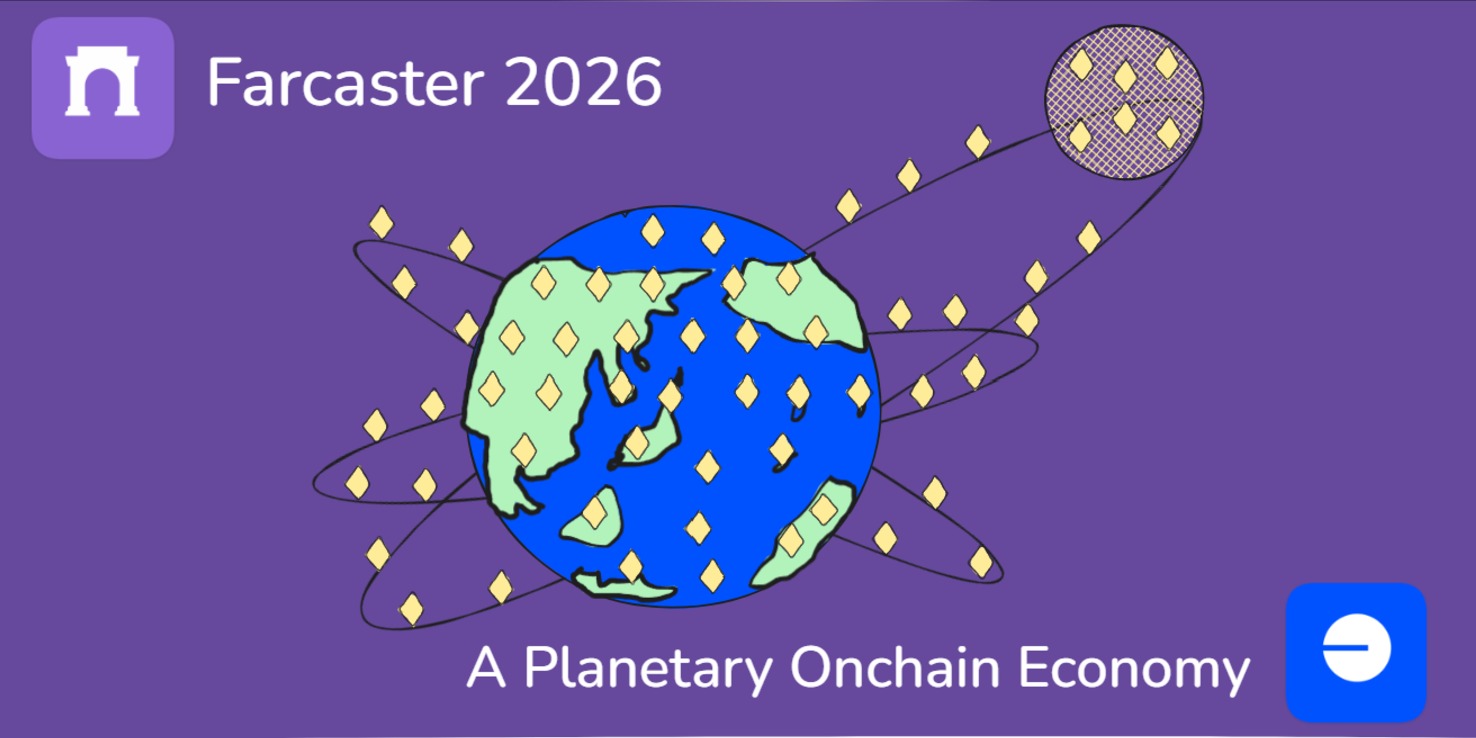
This infrastructure supports the growing scale of the network, where data replication and node health are critical metrics for long-term viability. As the ecosystem expands, the reliability of these hub connections will determine the trustworthiness of the data powering the next generation of social tools.
Sync Tools for Cross-Platform Growth
Cross-posting is no longer a manual chore; it is an automated infrastructure layer. Creators now use specialized sync tools to bridge X (formerly Twitter) and Farcaster, ensuring content reaches both audiences without doubling the workload. These tools handle the heavy lifting: translating formats, preserving engagement context, and maintaining a consistent posting cadence across both platforms.
The primary goal is maximizing reach. By syncing content, you effectively double your potential audience. However, not all sync tools are built the same. Some prioritize speed and simplicity, while others offer advanced customization for thread formatting or image handling. Choosing the right tool depends on your specific workflow and how much control you need over the final output.
Below is a comparison of the most popular sync tools currently available. This table highlights key features, pricing models, and reliability metrics to help you decide which solution fits your needs.
| Tool | Key Features | Cost | Reliability |
|---|---|---|---|
| Farcaster Sync | Auto-posting, thread support, image handling | Free tier available | High |
| Farcaster Connect | X to Farcaster sync, base app integration | Subscription | Medium |
| Crosspost.io | Multi-platform, custom templates | Paid | High |
| Manual Copy | Full control, no automation | Free | Variable |
When selecting a tool, consider the trade-offs between automation and control. Fully automated tools like Farcaster Sync offer convenience but may lack the nuance required for complex threads. Manual copying, while tedious, ensures every word is perfectly tailored to the Farcaster audience. For most creators, a hybrid approach—using sync tools for drafts and manual edits for final posts—offers the best balance of efficiency and quality.
Monetization Strategies for 2026
Creators on Farcaster are moving beyond simple social engagement to build sustainable revenue streams using onchain infrastructure. Unlike traditional social platforms that rely on ad revenue, Farcaster monetization is direct, transparent, and integrated into the protocol’s data layer. The primary mechanisms—tips, subscriptions, and integrated commerce—allow creators to capture value immediately from their audience without middlemen.
Tips and Direct Support
The most immediate monetization tool is onchain tipping. Because Farcaster is built on Optimism, transaction fees are negligible, making micro-transactions viable. Creators can embed payment links directly into their profiles or posts, allowing followers to send ETH or stablecoins instantly. This frictionless experience turns casual appreciation into consistent income, with costs so low that even small tips remain profitable for the recipient.
Subscription Models and Gated Content
For recurring revenue, creators are leveraging onchain subscription tools. These services verify wallet ownership to grant access to exclusive content, such as private channels, newsletters, or early access to products. Since identity is tied to the blockchain, these subscriptions are tamper-proof and portable across different frontends. This model shifts the creator-audience relationship from passive consumption to active membership, fostering higher engagement and loyalty.
Integrated Commerce and NFTs
Farcaster also supports integrated commerce, allowing creators to sell digital goods, NFTs, or physical products directly within the social feed. By linking wallets to storefronts, creators can process sales without redirecting users to external websites. This seamless integration reduces drop-off rates and capitalizes on impulse buying. The combination of social proof and instant checkout creates a powerful funnel for converting followers into customers.
Essential Tools for Creators
Managing a Farcaster presence requires a mix of reliable software clients and secure hardware. The network operates on a hybrid model where identity lives on-chain (Optimism) while posts stay off-chain, meaning your tools need to handle both signature verification and data syncing efficiently.
For daily engagement, the Warpcast client remains the standard for most creators due to its intuitive interface and robust developer ecosystem. However, for serious infrastructure management, syncing the Farcaster network to a local machine allows you to run queries and maintain full data sovereignty, as detailed in the official Farcaster Docs.
Security is non-negotiable. Since your Farcaster identity is tied to an Ethereum key, protecting that private key is the first line of defense against account takeover. Hardware wallets provide the necessary cold storage for these keys, ensuring that your social identity remains yours even if your hot wallet is compromised.


As an Amazon Associate, we may earn from qualifying purchases.
No comments yet. Be the first to share your thoughts!