Why sync matters for creators
If you are building an audience on Farcaster, your data needs to be accurate. Reliable synchronization is the foundation of any creator monetization strategy. When your posts, likes, and follows sync correctly across hubs, you get a clear picture of your reach. Without it, your engagement metrics are just guesses, and you cannot trust the data needed to make business decisions.
Farcaster relies on a network of independent hubs that copy messages from each other. This multi-channel sync process ensures that your content appears everywhere, but it also means that delays or errors can distort your analytics. If a hub lags in syncing, your views might not reflect reality. For creators tracking growth or negotiating deals, this gap between actual and reported engagement is a significant risk.
Sync reliability directly impacts how often your content appears in feeds and how accurately you can track engagement for monetization.
You need tools that monitor this sync health. If your data is stale, your audience interaction suffers. Consistent, real-time sync keeps your community engaged and your metrics honest. This accuracy is what separates a hobbyist account from a professional creator profile.
The protocol is built on Optimism, a Layer 2 network on Ethereum, which guarantees decentralization and security. This structure minimizes censorship risks, but it places the burden of data consistency on the sync infrastructure. You must ensure your chosen tools handle this load efficiently to maintain your audience's trust and your own revenue streams.
Core sync infrastructure components
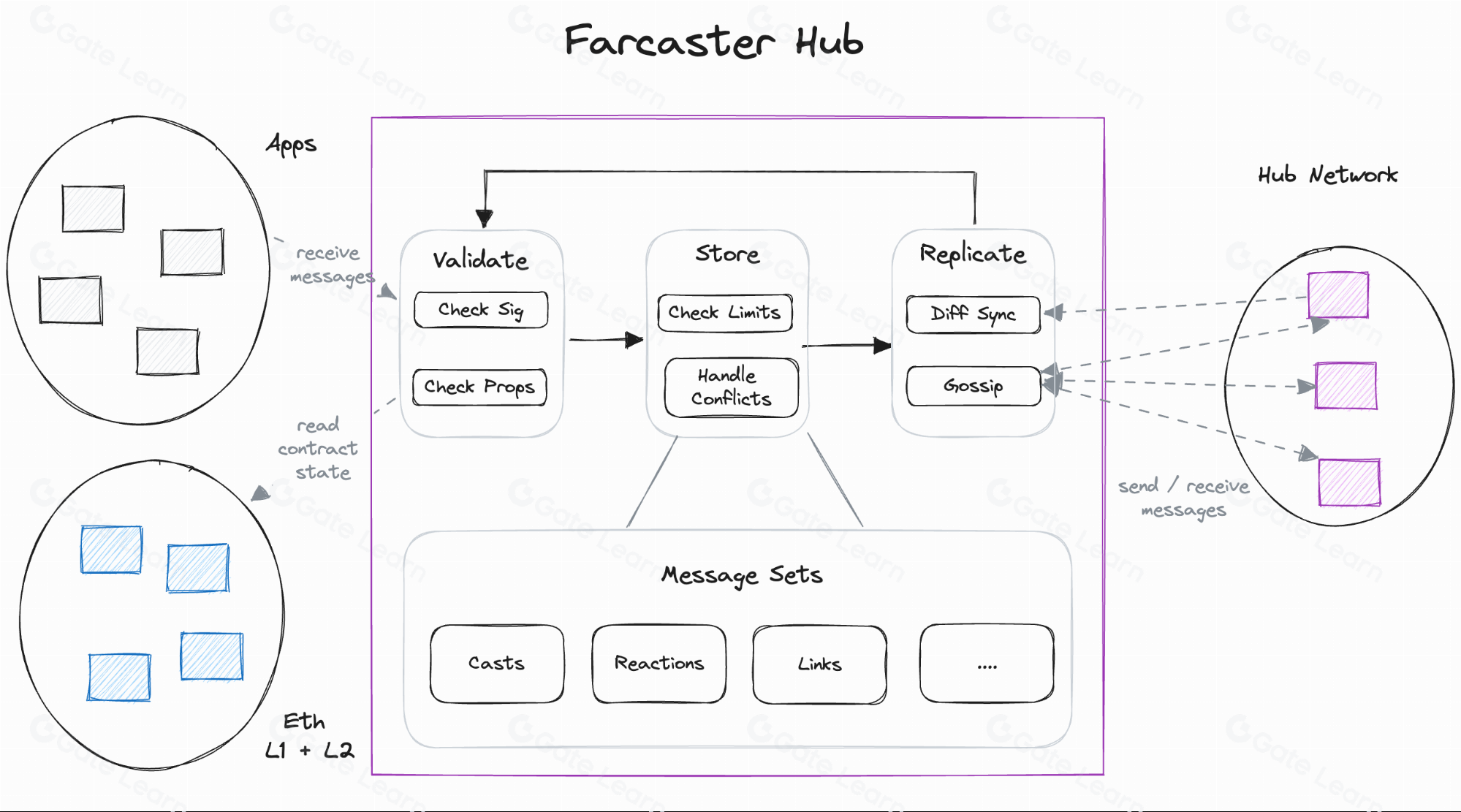
Farcaster doesn’t rely on a single central server to store every message. Instead, it uses a distributed network where data is replicated across multiple nodes. For creators building on top of the protocol, understanding this replication layer is essential because it dictates how fast your data becomes available and how reliable your queries are.
Hubs: The Data Repositories
Hubs are the fundamental storage units of the Farcaster network. When a user posts a message, it is broadcast to a hub, which validates the signature and stores the data. Any other hub can then sync with this hub to fetch the new data. This creates a mesh network where no single point of failure exists. If one hub goes down, others continue to operate, ensuring the network remains resilient.
Delta Graphs: Efficient Syncing
To keep these hubs in sync without downloading the entire history every time, Farcaster uses a delta-based sync model. Instead of transferring full records, hubs exchange "deltas"—only the changes that have occurred since the last sync. This approach significantly reduces bandwidth and processing time, allowing the network to scale as more users join. It’s like comparing two documents to find only the edits, rather than sending the whole file over and over.
Replicators: Local Data Access
For developers and creators who need to run complex queries or build custom frontends, running a full node might be overkill. Replicators solve this by syncing data from hubs into a local Postgres database. This setup allows you to query the Farcaster dataset locally with low latency, without relying on public API rate limits. It’s the standard way to build reliable, high-performance applications on Farcaster.
Sync and data access tools
To build a reliable Farcaster presence, you need more than just posting to Warpcast. You need direct access to the protocol’s data so you can analyze engagement, manage your audience, and automate your workflow. The ecosystem offers a few primary ways to interact with the network’s data layer.
Hubs and API providers
Hubs are the servers that store and serve Farcaster data. You don’t typically run a hub yourself unless you are building a major application; instead, you use a provider that hosts these hubs and offers clean APIs. Providers like Neynar and Supercast give you access to user profiles, casts, and reactions. They handle the heavy lifting of data synchronization, so you can focus on building your growth tools. Choosing a provider often comes down to their API rate limits, data freshness, and pricing structure.
Data indexing and analytics
For creators, raw data is only useful if it is structured. Specialized data indexing services turn the raw Farcaster protocol data into queryable tables. This allows you to track metrics like follower growth, cast velocity, and engagement rates over time. Some tools offer pre-built dashboards, while others provide raw data exports for use in your own analytics stack. This layer is critical for understanding which content resonates with your audience.
Developer SDKs
If you are building custom tools, you will need Software Development Kits (SDKs) to interact with the protocol. These libraries handle the complex cryptography and message formatting required by Farcaster. They allow you to verify user identities, sign messages, and post casts programmatically. Using an official or well-maintained SDK ensures your application stays compatible with protocol updates.
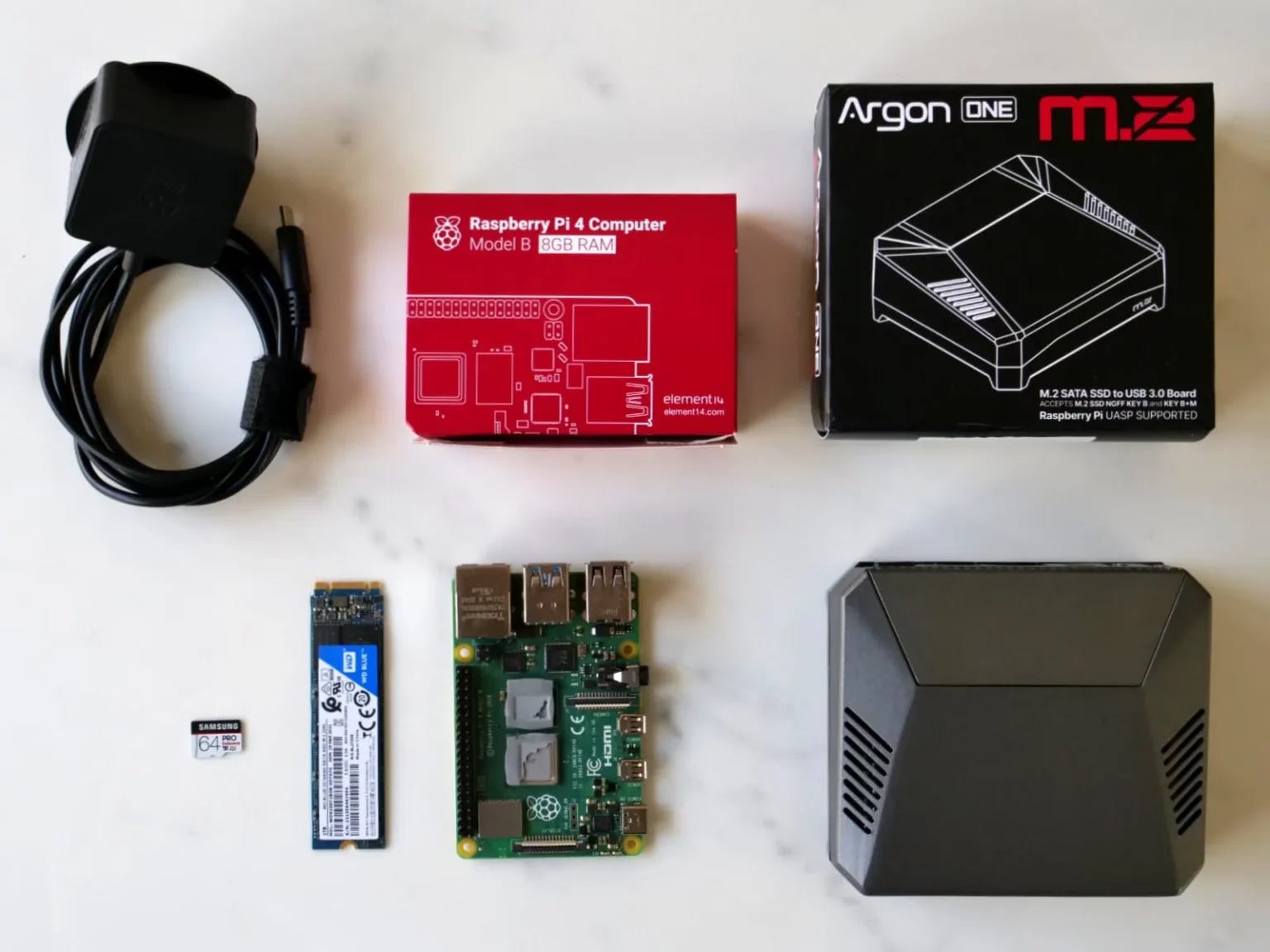
As an Amazon Associate, we may earn from qualifying purchases.
Turning onchain data into revenue
Sync infrastructure does more than keep your profiles in step; it creates the audit trail that makes monetization possible. When your casts, reactions, and profile metadata are reliably stored onchain, you can prove ownership and engagement without relying on platform intermediaries. That proof is the foundation for token-gated access, sponsor verification, and direct community growth.
Token-gated content and membership
The most direct path to revenue is using onchain identity as a membership key. Because Farcaster users hold Farcaster IDs (FIDs) on OP Mainnet, you can verify ownership instantly and grant access to exclusive content, newsletters, or private channels. Tools like Guild.xyz or Collab.Land read these onchain credentials to unlock gated experiences. This removes the friction of email verification and subscription management, turning your audience into verified members who own their access.
Sponsorships backed by verifiable engagement
Brands are moving away from vanity metrics toward verifiable onchain activity. Your sync data provides a transparent history of who interacts with your content and how often. Sponsors can audit this data to ensure their campaigns reach active, real users rather than bots. This transparency allows you to command higher rates for sponsorships because you can demonstrate tangible audience quality and engagement depth, not just follower counts.
Growing community through shared incentives
Onchain data also enables community growth through shared incentives. You can reward users for contributing to your ecosystem, whether that’s referring new members, creating high-quality content, or participating in governance. By tying rewards to onchain actions, you align the interests of your community with your growth goals. This creates a self-sustaining loop where engagement begets rewards, which in turn drives further engagement.
To contextualize the value of these onchain assets, consider the broader market trends in decentralized social infrastructure.
Setting up your sync workflow
Moving from theory to practice requires a structured approach. You need to bridge the gap between Farcaster’s decentralized architecture and your personal or brand’s content strategy. This section outlines the concrete steps to build a reliable sync infrastructure.
Before syncing, map where your content lives. Identify your primary Farcaster handle, any associated casts, and the hubs that store your data. Understanding the delta graphs—the incremental changes in the network—helps you anticipate how your content propagates across the network.
Decide whether to run a local replicator or use a managed hub service. The Farcaster Docs provide detailed guides for setting up a snapchain node to sync data to a local Postgres database. For most creators, a managed API or a lightweight client is sufficient to monitor engagement and schedule posts.
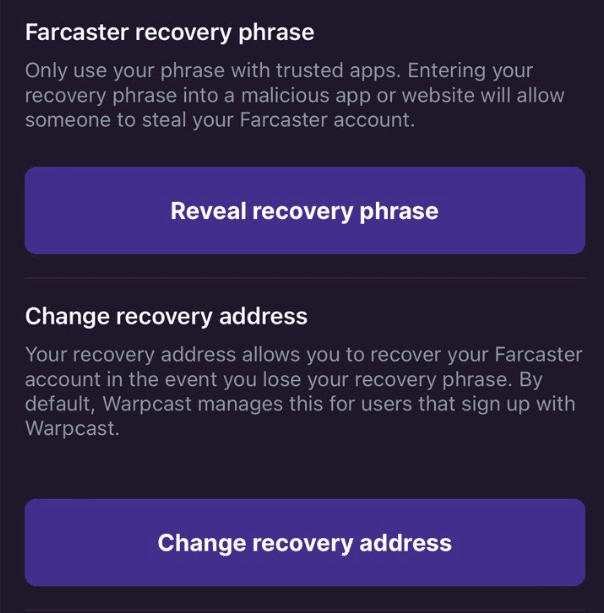
Farcaster relies on secure messaging to verify identity and prevent spam. Ensure your sync tool supports the required cryptographic signatures. This step guarantees that your posts are authenticated by your custody key, maintaining the integrity of your account and preventing unauthorized syncs.
Run a test cycle. Send a few casts and verify they appear correctly on the target hub. Check for latency issues or dropped messages. This validation step is critical before scaling to a full content calendar.
Once the pipeline is stable, automate your posting schedule. Use the API to push content at optimal times. Monitor the sync logs for errors. Regular checks ensure your content remains visible and that your sync workflow adapts to network updates.
Common questions about Farcaster sync
Understanding the underlying infrastructure helps creators manage their data and audience growth more effectively. Here are direct answers to frequent questions about how Farcaster operates and who built it.
No comments yet. Be the first to share your thoughts!