Why sync speed changes creator economics
Use this section to make the Farcaster Sync Analysis decision easier to compare in real life, not just on paper. Start with the reader's actual constraint, then separate must-have requirements from details that are merely nice to have. A practical choice should survive normal use, maintenance, timing, and budget. If a recommendation only works in an ideal situation, call that out plainly and give the reader a fallback path.
The simplest way to use this section is to write down the must-have criteria first, then compare each option against those criteria before weighing nice-to-have features.
How Hub Synchronization Works
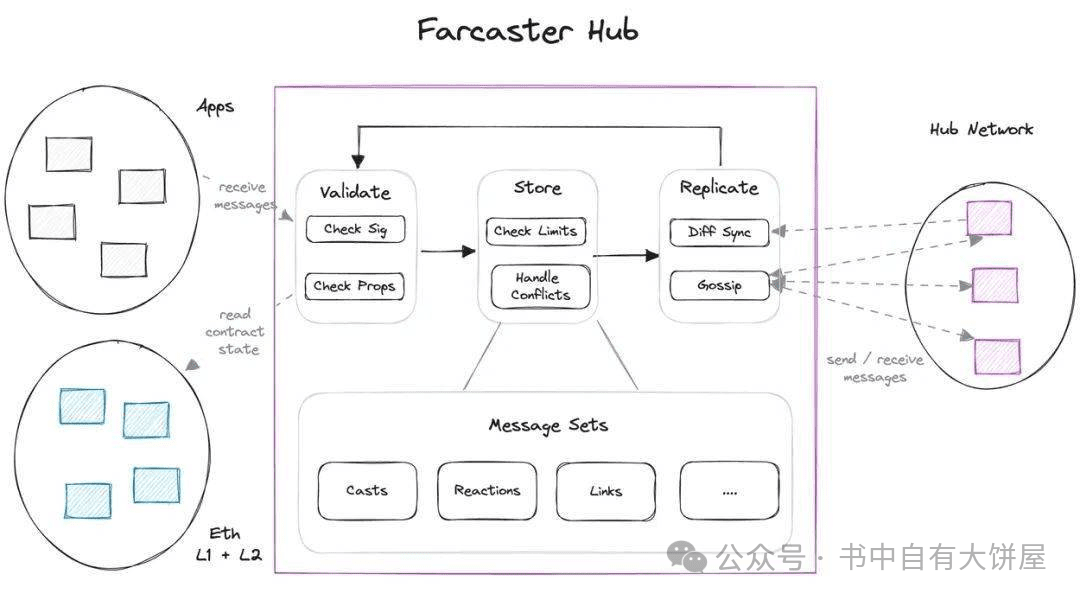
Farcaster doesn’t rely on a single, central server to store every user’s profile picture or message. Instead, the network is built on thousands of independent nodes called hubs. Think of these hubs like a decentralized library system: anyone can run a hub, and each one holds a copy of the entire Farcaster history. This design is what makes the network censorship-resistant, but it introduces a specific challenge for creators: your data isn’t instantly everywhere.
When you update your profile or post a message, that change is broadcast to the hubs. Because these hubs are independent computers located in different parts of the world, they don’t all see the update at the exact same millisecond. They use a "delta-based" sync model, meaning they constantly compare their own databases with neighbors to find and copy only the new changes. This process is efficient, but it means there is a brief window where some users might see your old profile picture while others see the new one. This is known as "eventual consistency."
For most casual interactions, this split-second delay is invisible. But for creators who rely on real-time engagement to drive monetization—such as tipping, selling access, or launching time-sensitive campaigns—this lag can feel like friction. If a supporter tries to tip you while your hub is still syncing your new payment address, the transaction might fail or go to the wrong place. Understanding this architecture helps you manage expectations: your content is permanent and secure, but its visibility across the network is a race against time, not an instant broadcast.
Snapchain and real-time data access
If you are building monetization tools for Farcaster, waiting for data is the enemy of revenue. Traditional hub syncing is like waiting for a letter to arrive in the mail; you get the information eventually, but by then, the moment to act has passed. Snapchain changes this dynamic by providing low-latency access to Farcaster events, allowing your applications to react to user activity almost instantly.
For creators, this speed is not just a technical convenience—it is a direct revenue driver. Real-time tipping, live engagement rewards, and dynamic content gating all depend on knowing what a user is doing right now. If your backend is lagging, the user has already moved on, and the opportunity for monetization evaporates. Snapchain solves this by streaming data directly from the network, ensuring your tools are always in sync with the current state of the platform.
The Farcaster documentation highlights Snapchain as the modern standard for developers who need more than just historical records. It is designed for those building the active layer of the ecosystem, where responsiveness matters as much as accuracy. By integrating with Snapchain, you shift from reactive reporting to proactive engagement, turning raw data into immediate value for your users.
Querying casts and user growth metrics
Knowing who is engaging with your content is the first step toward monetization, but raw data doesn't always tell the full story. To understand your audience, you need to look beyond simple view counts and dig into the structure of conversations. This means tracking who replies to your casts, who quotes them, and how those interactions chain together.
The most powerful way to see this is through self-joins. In Farcaster data, this means joining the casts table on itself to link a parent cast with its replies. It sounds technical, but the insight is simple: it reveals which of your posts are sparking actual dialogue rather than just passive scrolling. If a single cast generates dozens of replies, that’s a high-engagement asset worth promoting or turning into a paid thread.
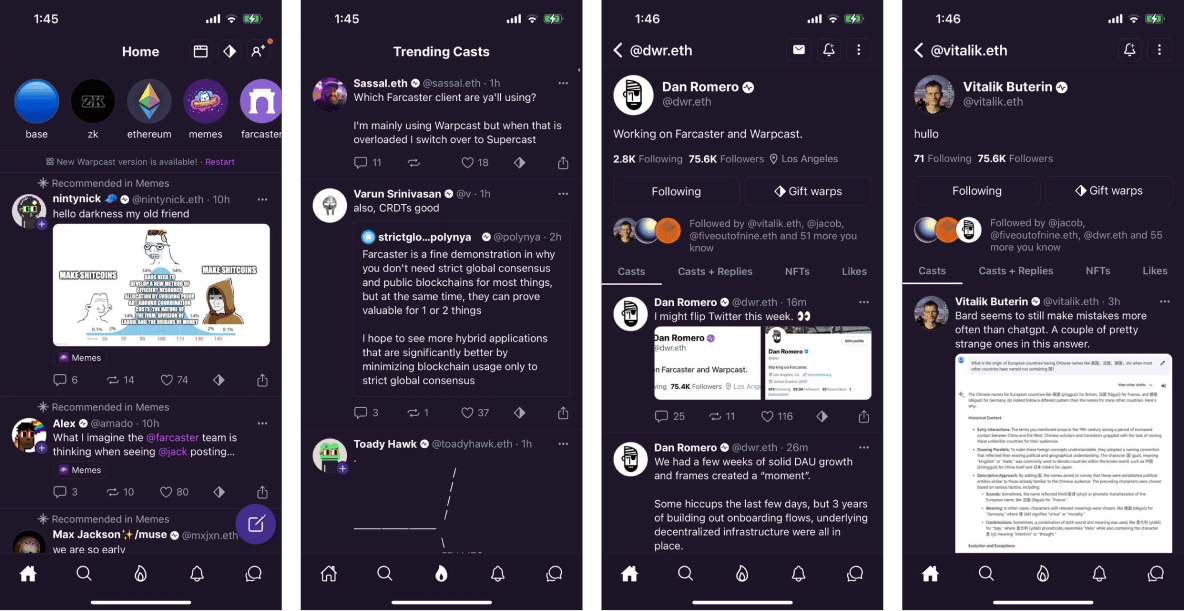
Tracking these metrics helps you identify your "super-engagers." These are the users who consistently reply or quote your work. For monetization, they are your most valuable audience segment. They are the ones likely to buy your next product, join your paid channel, or share your content with their own networks. By querying for repeat interactions, you can build a list of these high-value users and tailor your outreach to them.
| Use Case | Traditional Hub Sync | Snapchain Real-Time |
|---|---|---|
| Analytics & Growth | 5-15 min latency | Near real-time |
| Live Interaction | Not suitable | Fully supported |
| Data Depth | Full historical context | Stream-focused |
The speed at which you can access this data matters. Traditional hub sync might lag by several minutes, which is fine for end-of-day reports but useless for spotting a viral moment as it happens. Snapchain provides near real-time access, allowing you to react to trends instantly. For creators, this means you can jump into a trending conversation while it’s still hot, maximizing your visibility and potential revenue.
Ultimately, the goal is to turn data into decisions. By querying for reply chains and tracking user growth, you move from guessing what your audience wants to knowing exactly what drives engagement. This clarity is what separates hobbyists from professional creators who can consistently monetize their influence.
Tools for onchain creator monetization
Turning attention into revenue on Farcaster relies on the right stack of mini-apps and bots. These tools bridge the gap between social engagement and wallet transactions, allowing creators to monetize directly through their sync data.
Tipping Bots
Tipping bots like Warpcast’s native integration or third-party apps such as Farcaster Tip Jar let audiences send USDC or ETH with a single click. These bots read the creator’s profile and cast history, making micro-transactions frictionless. For creators, this turns casual appreciation into immediate, verifiable income without complex checkout flows.
Membership Gateways
Membership tools like Guild.xyz or specialized Farcaster mini-apps connect wallet holdings to exclusive content or chat groups. By syncing with onchain data, these gateways verify if a user holds specific tokens or NFTs before granting access. This creates a sustainable model where loyal supporters pay for deeper engagement, while the creator retains full control over the community.
Analytics Dashboards
Monetization requires data. Dashboards like Farcaster’s native analytics or third-party tools such as Warpcast Insights track follower growth, cast performance, and referral sources. Understanding which content drives traffic helps creators optimize their posting strategy and pitch partnerships with concrete metrics rather than guesswork.


As an Amazon Associate, we may earn from qualifying purchases.
No comments yet. Be the first to share your thoughts!