What Farcaster Sync Actually Means
The term "Farcaster Sync" is currently used to describe two completely different things, and confusing the two will lead to the wrong technical or strategic decisions. On one side, it refers to the underlying protocol mechanics that keep the decentralized network consistent. On the other, it describes third-party tools that mirror content from platforms like X (formerly Twitter) to Farcaster.
At the infrastructure level, sync is the process by which Hubble nodes replicate data to maintain a unified state. Because user data changes rapidly, hubs must constantly reconcile updates to stay in sync. This is a technical necessity for the network's integrity, not a feature users interact with directly.
In the consumer space, "Farcaster Sync" has become a shorthand for bridge tools. Services like Farcaster Sync allow users to connect their X accounts and automatically post to Farcaster. This is a content strategy, not a network protocol. It helps creators expand their reach but does not affect how the Farcaster network itself functions or stores data.
Understanding this distinction separates the plumbing from the paint. Infrastructure sync ensures the ledger is accurate; content sync ensures your message is seen. Both are important, but they solve entirely different problems.
Hub Infrastructure and Sync Mechanics
Farcaster Sync works best as a sequence, not a scramble through settings. Do the minimum first: confirm compatibility, connect the core hardware, update only when needed, and test the result before adding optional features. That order keeps the task understandable and makes failures easier to isolate.
After each step, pause long enough for the interface to finish syncing. Many setup problems are timing problems disguised as configuration problems. If the same step fails twice, record the exact error, restart the smallest affected piece, and retry before moving deeper.
The simplest way to use this section is to keep the setup small, verify each change, and record the stable configuration before adding optional accessories.
Market Research and SocialFi Growth
Farcaster has evolved from a niche developer experiment into a functioning socialFi ecosystem. Unlike traditional social media, its growth is driven by protocol-level incentives and a thriving mini-app economy. Understanding the market dynamics requires looking at how user engagement, transaction volume, and hub infrastructure compare to legacy platforms.
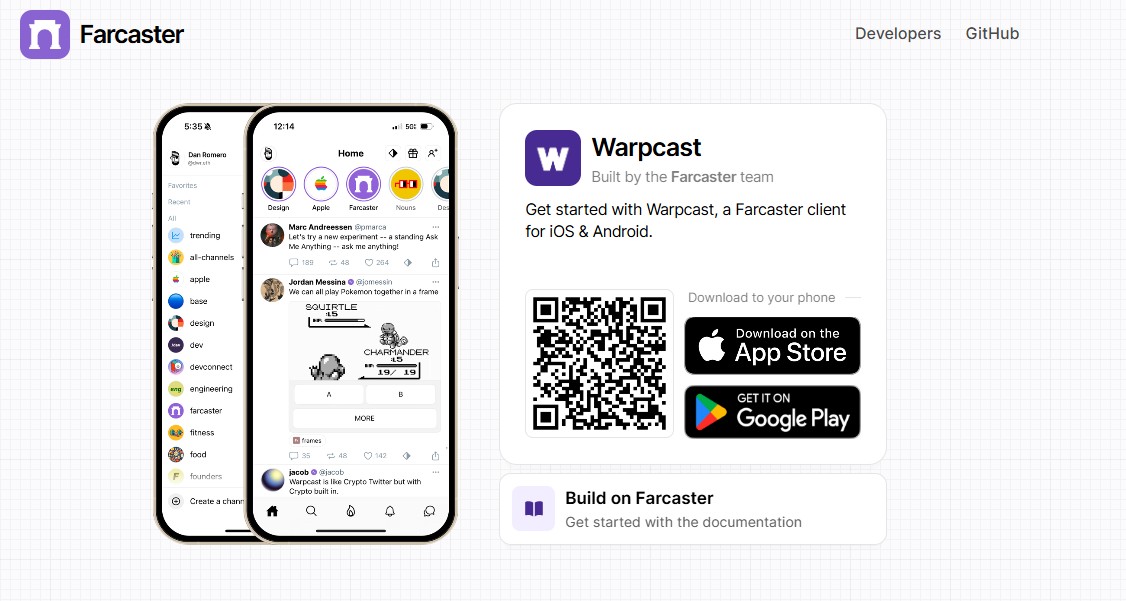
The rise of mini-apps has been the primary catalyst for this expansion. These lightweight applications run directly within clients like Warpcast, allowing users to interact with DeFi, games, and content without leaving the social feed. This integration creates a sticky user base that generates consistent on-chain activity, distinguishing Farcaster from purely speculative social tokens.
To contextualize this growth, we compare Farcaster’s key metrics against traditional social platforms and other decentralized protocols. The following table highlights the structural differences in user acquisition, data ownership, and economic models.
| Metric | Farcaster | Traditional Social | Other Decentralized Social |
|---|---|---|---|
| User Growth Driver | Mini-apps & Network Effects | Paid Advertising & Algorithms | Token Incentives & Speculation |
| Data Ownership | User-Controlled (Self-Custody) | Platform-Centric (Walled Garden) | Fragmented Across Protocols |
| Monetization Model | Direct Creator Tips & App Fees | Ad Revenue & Data Sales | Token Appreciation & Trading |
| Hub Infrastructure | Decentralized (Optimistic Sync) | Centralized Servers | Variable (Depends on L1/L2) |
The data shows a clear divergence in value capture. While traditional platforms rely on attention-based advertising, Farcaster’s model aligns creator incentives with user engagement through direct economic flows. This shift is attracting a higher-quality user base that is willing to pay for premium content and tools.
Note: The chart above illustrates general market volatility affecting social media stocks. Farcaster’s value is not directly tied to these equities but is influenced by broader crypto market trends and adoption rates within its own ecosystem.
Monetization and Creator Strategy
Turning attention into revenue on Farcaster requires a shift from passive broadcasting to active community building. Unlike traditional social media, where algorithms dictate visibility, Farcaster rewards genuine engagement and utility. Creators can monetize through direct subscriptions, value-added mini-apps, and strategic channel hosting. The key is to offer tangible value that justifies a financial exchange.
1. Launch a Subscription Channel
The most straightforward path to recurring revenue is creating a paid channel. Channel hosts can charge a monthly fee for access to exclusive content, early alpha, or direct interaction. This model works best when you have a loyal following that values your specific insights. To start, pay the on-chain fee to register your channel name in Warpcast, then configure the subscription tier. Consistency is critical; deliver high-quality content weekly to retain subscribers.
2. Build Utility-Driven Mini-Apps
Mini-apps are Farcaster’s unique advantage for monetization. Instead of just posting text, build tools that solve problems for your audience. Examples include portfolio trackers, NFT viewers, or interactive games. You can monetize these apps through premium features, donations, or by driving traffic to other revenue streams. Use the Celo SDK to get started quickly, ensuring your app integrates seamlessly with the Farcaster identity system. A useful app becomes a habit, keeping your brand top-of-mind.
3. Leverage Sybil-Resistant Identity
Farcaster’s identity system, built on Ethereum, provides a layer of trust that attracts high-value users. Monetization strategies should leverage this trust. Offer exclusive access to verified holders of specific tokens or NFTs. This "proof-of-humanity" aspect reduces spam and increases the perceived value of your paid offerings. When users know they are interacting with real, accountable individuals, conversion rates for subscriptions and tips improve significantly.
Connect your Ethereum wallet to a payment processor that supports ERC-20 tokens or ETH. Ensure your subscription platform can verify on-chain ownership if you’re offering token-gated access. This step is foundational for any recurring revenue model.
Develop the core value proposition. If you’re doing subscriptions, draft a content calendar. If you’re building an app, finalize the MVP features. Focus on solving a specific pain point for your target audience rather than creating generic content.
Announce your monetization effort in high-traffic channels like "Farcaster" or "Build in Public." Be transparent about what users get in exchange for their support. Engage directly with early adopters to gather feedback and refine your offering.
Farcaster Sync FAQ
Here are direct answers to the most common technical questions about setting up Farcaster infrastructure, authentication, and content distribution.
No comments yet. Be the first to share your thoughts!