What is Farcaster Sync?
Farcaster Sync is the protocol-level mechanism that ensures data consistency across the decentralized social network. It is not merely a software update or a client-side refresh; it is the fundamental process by which hubs replicate and validate data, ensuring that every user sees the same casts, reactions, and profile updates regardless of which client they use.
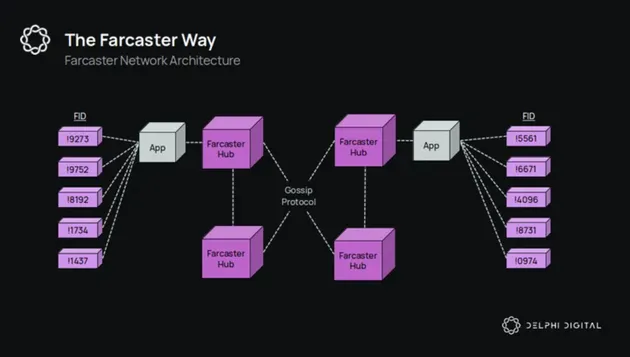
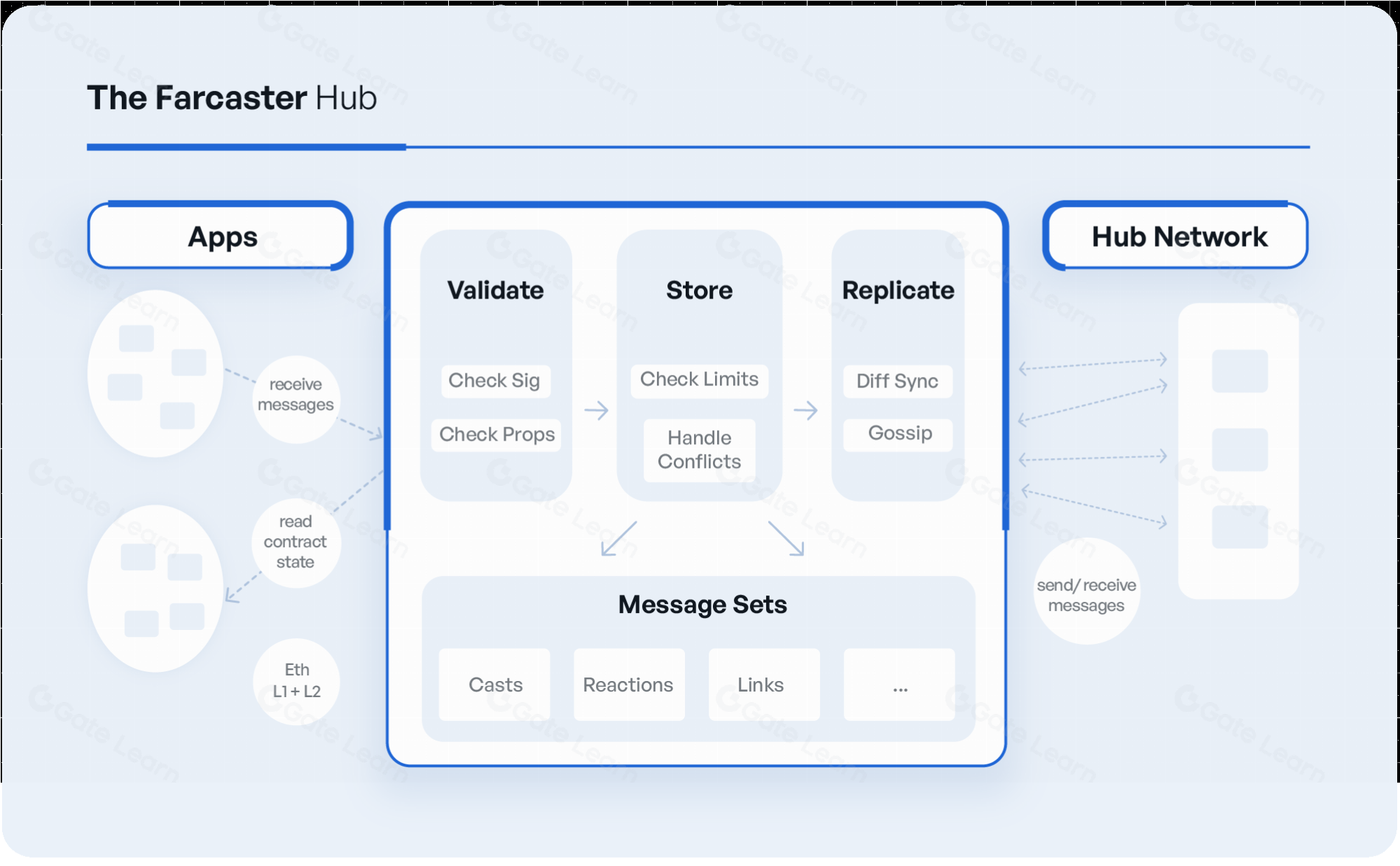
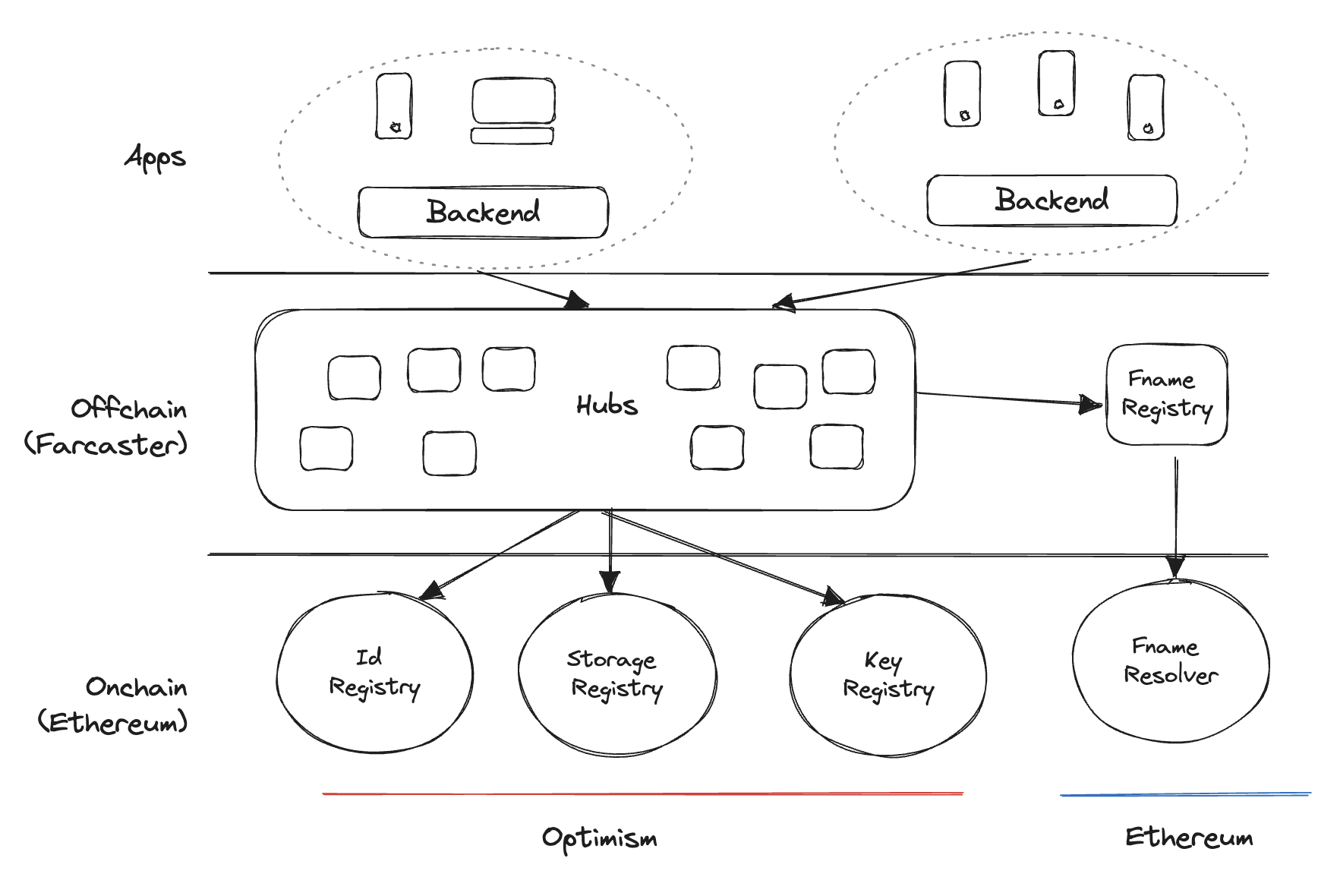
At its core, Farcaster relies on a network of independent hubs. When you post a cast, your client sends it to a hub, which validates the signature and stores it. Other hubs then sync with this hub to pull the new data. This distributed replication is what gives Farcaster its resilience. If one hub goes offline, your data remains available on others, and your client can simply query a different hub to stay in sync.
This architecture matters because it decouples data ownership from any single company. Your identity and content live on the network, not in a proprietary database. For creators and developers, this means you aren't at the mercy of a platform's algorithm changes or shutdown risks. The sync process ensures that your data is portable, verifiable, and accessible through any compliant client.
The reliability of this sync depends on the health of the hub network. As noted in infrastructure analyses, a hub being "online" doesn't guarantee it has fully synchronized with the rest of the network. Users and developers often need to check sync percentages to ensure they are querying a hub that has caught up with the latest chain state. This is a critical operational detail for anyone building on or relying heavily on Farcaster infrastructure.
Infrastructure Setup and Hub Selection
Farcaster is a sufficiently decentralized social network built on Ethereum, but its reliability depends entirely on the underlying hub infrastructure. Unlike centralized platforms where a single server holds your data, Farcaster distributes this load across independent hub operators. For anyone building an app or syncing data, understanding how these hubs maintain network state is the first technical hurdle.
The network relies on a consensus mechanism where hubs replicate the state of the protocol. If a hub falls behind, your application may miss casts, reactions, or profile updates. This is where the concept of "sync" becomes critical. A hub being online does not guarantee it has fully synchronized with the network. You must actively monitor the sync percentage against the broader network to ensure data integrity.
1. Choose Your Hub Operator
You can connect to any public hub, but most developers start with established operators like Neynar, Supercast, or the official Farcaster Hubble. These operators maintain high-availability nodes that are optimized for read performance. For a new integration, picking a well-maintained public hub reduces the initial engineering overhead compared to running your own instance.
Start by selecting a public hub endpoint. Most SDKs allow you to specify the hub URL directly. Popular choices include hub1.farcaster.xyz for the official network or third-party providers like Neynar for enhanced API features. Ensure the provider you choose has a clear uptime history and active community support.
Initialize your Farcaster SDK with the chosen hub endpoint. Most modern SDKs, such as @farcaster/frame-sdk or viem wrappers, require you to pass the hub URL during initialization. Verify the connection by fetching your own FID (Farcaster ID) or a known test cast to confirm latency and data retrieval speed.
Regularly check the sync status of your connected hub. Query the hub's health endpoint to compare its latest known block against the network's global state. If the sync percentage drops below 95%, your app may experience stale data. Consider implementing a fallback mechanism to switch to a secondary hub if the primary one lags.
For production applications, do not rely on a single hub. Connect to at least two independent hubs and aggregate the data. This redundancy protects you against individual hub failures or sync delays. When querying data, prioritize the hub with the highest sync percentage to ensure you are reading the most current state of the network.
Remember that maintaining a presence on Farcaster has costs. The Storage Registry allows an FID to rent units of storage on the network, currently costing $7 USD per unit per year, paid in ETH. Ensure your application or user accounts have sufficient ETH to cover these recurring fees, or your casts and profile data may be pruned.
Once your hub connection is stable, test your integration using Farcaster Mini Apps. These lightweight apps run within the Farcaster ecosystem and can interact with your hub data in real-time. Use the MiniApp SDK to build simple interfaces that demonstrate your hub's responsiveness and data accuracy to potential users.
After thorough testing, deploy your application. Set up monitoring alerts for hub sync failures or high latency. Use tools like Grafana or simple script-based checks to track your hub's health over time. Regular maintenance ensures your users always have access to the latest social graph data.
Technical Overview
Understanding the flow of data helps in debugging sync issues. When a user casts a message, it is signed and broadcast to multiple hubs. These hubs validate the signature and the FID's storage status before storing the message. If your hub is not syncing correctly, it may be due to network congestion or a misconfigured node.
The network's health is closely tied to Ethereum's gas prices, as storage fees are paid in ETH. When gas prices spike, the cost of maintaining a hub increases, which can sometimes lead to temporary slowdowns in hub synchronization. Keep an eye on ETH gas trends to anticipate potential infrastructure costs.
Recommended Tools
For developers looking to streamline their Farcaster integration, having the right local development environment is essential. While the protocol is web-native, some developers prefer hardware wallets for secure key management during testing, or reliable local servers for simulating hub interactions.



As an Amazon Associate, we may earn from qualifying purchases.
These tools help create a stable local environment for testing your hub connections. A hardware wallet ensures that your test keys are stored securely, while a reliable local server can simulate hub responses during development. A good USB-C hub ensures your development machine stays connected to all necessary peripherals without bottlenecking data transfer speeds.
Tools for creator monetization
Monetizing on Farcaster has shifted from speculative token plays to tangible utility. Creators now choose between three primary infrastructure layers: interactive Frames, full-featured Mini Apps, and direct wallet integrations. Each tool offers a different balance of setup complexity and revenue potential.
The landscape is moving quickly. What started as simple static images has evolved into complex web experiences embedded directly in the feed. For creators, the choice isn't just about code; it's about where your audience spends their time. If they are scrolling, they want frictionless interaction. If they are investing, they want depth.
To understand the economic reality of these tools, we must look at the underlying costs. Running a presence on Farcaster requires paying for storage units, currently priced at roughly $7 USD per unit per year, paid in ETH. This baseline cost influences how creators price their tools. A $5 frame interaction might not cover the overhead if user retention is low, making Mini Apps with higher-ticket items more viable for serious businesses.
Comparing the monetization stack
The decision to build a Frame, a Mini App, or a direct wallet solution depends on your technical resources and your audience's behavior. Frames are the low-friction entry point, while Mini Apps offer the highest ceiling for engagement and revenue.
| Tool | Setup Complexity | User Friction | Revenue Potential |
|---|---|---|---|
| Frames | Low | Minimal | Low to Medium |
| Mini Apps | High | Moderate | High |
| Direct Wallet | Medium | High | Variable |
Frames are essentially interactive cards. They are easy to build and require no new account creation. However, their revenue potential is limited to micro-transactions or driving traffic off-platform. Mini Apps, by contrast, are full web applications running inside the Farcaster client. They can handle complex logic, user accounts, and higher-value transactions, but they require more development effort and a steeper learning curve for users.
Direct wallet integrations are the most flexible but also the most risky. They allow for seamless on-chain interactions, such as minting NFTs or swapping tokens, but they often require users to sign multiple transactions, which can kill conversion rates. For most creators starting out, a hybrid approach works best: use Frames to capture attention and Mini Apps to convert that attention into revenue.
Choosing the right path
If you are building a community tool or a simple gamified experience, start with Frames. They are the viral engine of Farcaster. If you are building a SaaS product, a marketplace, or a complex game, invest in a Mini App. The Base documentation provides clear guides for migrating and scaling these applications, ensuring they work across the ecosystem.
Direct wallet integrations should be reserved for advanced use cases where on-chain verification is critical. For most creators, the combination of a low-friction Frame and a high-value Mini App offers the best balance of reach and revenue.
Understanding the Farcaster Market
Farcaster has evolved from a niche experimental protocol into a structured socialfi ecosystem. Unlike centralized platforms that rely on opaque algorithms, Farcaster’s growth is driven by open-source infrastructure and user-owned data. This shift has attracted developers and creators who prioritize censorship resistance and portable identity. The network’s architecture, anchored by the Storage Registry, ensures that users pay a modest fee—currently around $7 USD per year per unit—to maintain their on-chain identity (FID). This low barrier to entry has facilitated steady user growth without the speculative volatility seen in other Web3 social experiments.
Channel Dynamics and Content Discovery
Channels are the heartbeat of Farcaster. Anyone can create a channel by paying a small fee and choosing a name under 16 characters. These channels act as public forums where users discuss specific topics, from coding to finance. The "host" of a channel manages content, inviting co-hosts to help moderate. This decentralized moderation model allows communities to self-govern, fostering niche interests that might be suppressed on mainstream platforms. For creators, understanding channel dynamics is crucial; success often depends on consistent engagement within these specific communities rather than broad, algorithmic broadcasting.
Strategic Advice for Creators
Building an audience on Farcaster requires a different approach than Twitter or Instagram. The community values authenticity and technical depth. Creators should focus on providing genuine value—whether through educational threads, technical insights, or curated discussions—rather than chasing viral moments. Mini Apps are emerging as a powerful tool for engagement, allowing creators to build interactive experiences directly within the Farcaster client. However, the primary driver of growth remains the quality of your network and the relevance of your content to specific channels. Start small, engage deeply, and let your reputation grow organically through consistent, high-signal contributions.
No comments yet. Be the first to share your thoughts!