Farcaster sync: the infrastructure limits to account for
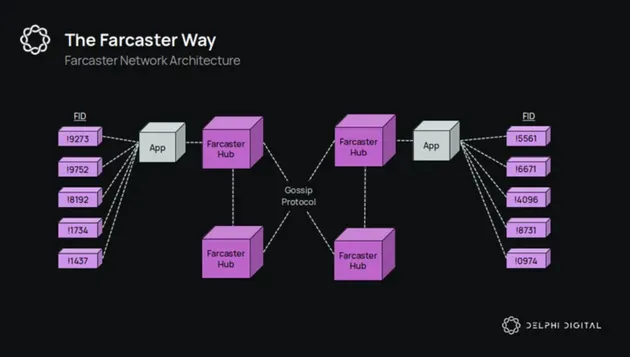
Farcaster Sync is the mechanism that keeps your data consistent across the decentralized network. Unlike centralized platforms where a single server holds the truth, Farcaster relies on a distributed system of Hubs. When you post a "cast," it doesn't go to one central database. Instead, it propagates through a network of independent nodes that must agree on the state of the chain. This is not a minor detail; it is the fundamental constraint of building on Farcaster.
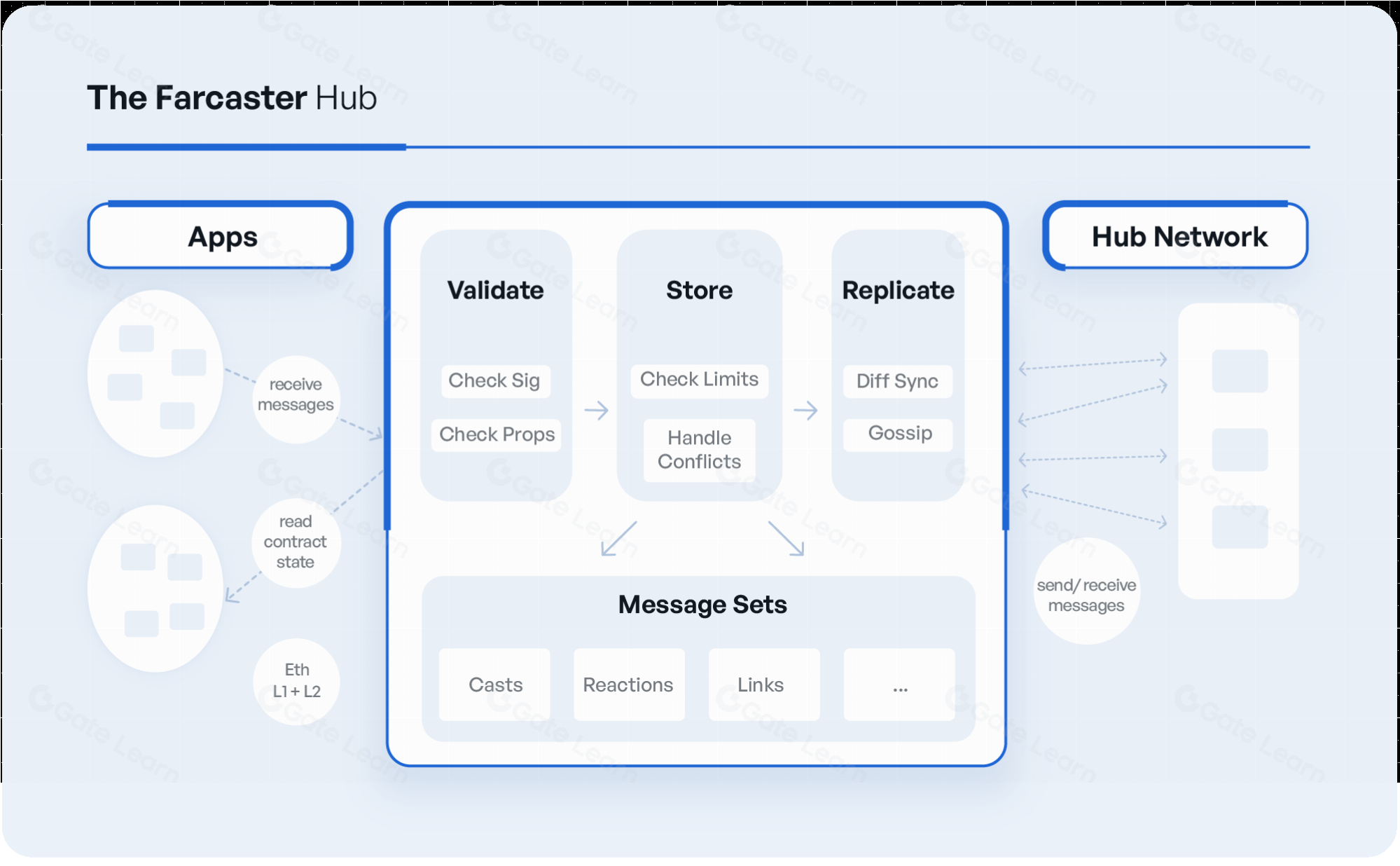
The sync process uses a multi-channel approach to ensure reliability. Hubs exchange messages using cryptographic proofs, verifying that each action is valid before accepting it into their local state. This design prioritizes data integrity over raw speed. If a Hub falls behind or goes offline, it must catch up by syncing with peers, a process that can take time depending on network load. For developers, this means you cannot assume instant consistency. Your application must handle eventual consistency, checking multiple sources to confirm a message has been fully propagated.
This architecture creates a clear tradeoff between decentralization and latency. Centralized social apps offer near-instantaneous sync because they control the entire stack. Farcaster sacrifices that immediacy for censorship resistance and data ownership. You are building on a public social graph that belongs to no single entity. This requires a different engineering mindset: one that expects network delays and designs interfaces to reflect the current state of the distributed ledger, not a single point of failure.
Farcaster sync choices that change the plan
Choosing how to sync Farcaster data depends on whether you prioritize cost, speed, or control. As a creator monetizing content, your infrastructure choice directly impacts reliability and user experience. You can rely on managed services, run your own hubs, or use hybrid approaches. Each option has distinct tradeoffs in latency, complexity, and operational overhead.
| Sync Method | Latency | Cost | Complexity |
|---|---|---|---|
| Managed Hub | Low | High | Low |
| Self-Hosted Hub | High | Low | High |
| Hybrid | Medium | Medium | Medium |
Managed hubs offer the lowest complexity. Providers like Neynar or Supercast handle synchronization across the network. This means your application receives data quickly and reliably. However, this convenience comes at a higher price. You pay for the service, and you depend on the provider’s uptime. This model suits creators who want to focus on content rather than infrastructure.
Self-hosted hubs provide full control and lower ongoing costs. You run the software on your own servers. This approach requires significant technical expertise. You must manage updates, security, and network connectivity. Latency can be higher if your hub is not well-connected. This model works best for teams with dedicated engineering resources who need custom data pipelines.
Hybrid approaches balance cost and control. You might run a hub for critical data while using managed APIs for secondary features. This reduces reliance on any single provider. It also allows for more granular control over data flow. The tradeoff is increased architectural complexity. You must manage multiple data sources and ensure consistency.
For most creators, the decision hinges on your technical capacity and budget. If you lack engineering resources, a managed hub is the pragmatic choice. If you have a team and need deep customization, self-hosting offers long-term savings. Consider starting with a managed service to validate your monetization strategy. You can migrate to a hybrid or self-hosted model as your audience grows.
Choose the right Farcaster sync infrastructure
The Farcaster Sync architecture relies on a hub-and-spoke model where nodes replicate data from one another. For creators, this isn't just backend noise; it determines how fast your content appears across clients and how reliably your monetization hooks stay online. Choosing the wrong sync layer can mean your followers see your posts minutes after your rivals or, worse, miss them entirely.
You need to decide between running a personal hub for total control or using a managed service for ease of use. The tradeoff is straightforward: personal hubs offer granular control over data and uptime but require technical maintenance. Managed services reduce friction but introduce a dependency on a third party for critical social graph operations.


As an Amazon Associate, we may earn from qualifying purchases.
| Feature | Managed Service | Self-Hosted Hub |
|---|---|---|
| Setup Difficulty | Low | High |
| Data Control | Limited | Full |
| Cost | Subscription | Server Fees |
| Maintenance | None | Regular Updates |
Spotting Weak Infrastructure and Misleading Claims
The Farcaster ecosystem is growing, but not all nodes or tools are built equally. For creators relying on uptime and data integrity, choosing the wrong sync mechanism or hub provider can mean lost casts or broken profiles. Many tutorials gloss over the difference between a full node and a lightweight client, leading to unreliable setups.
The Sync Bottleneck
Syncing messages between hubs is not instantaneous. It uses a multi-channel process that can lag during high traffic. If you are building a monetization tool, relying on a single hub for real-time data is a risk. Always check the hub's sync status and redundancy before committing resources.
Common Tool Mistakes
Many "creator tools" simply wrap the API without handling edge cases like signature expiration or rate limits. This leads to failed logins and frustrated users. Look for tools that explicitly handle Farcaster Auth Kit flows, including QR code scanning and signature verification, rather than just basic API calls.
Decision Checklist
- Verify Hub Health: Check if the hub is actively syncing with the network.
- Check Sync Latency: Ensure your data source updates within acceptable timeframes.
- Audit Auth Flows: Confirm the tool handles sign-in securely via QR codes.
Avoid tools that promise "instant" sync without explaining their backend architecture. Transparency in infrastructure is the only way to ensure your monetization strategy remains stable.
Farcaster sync: what to check next
Getting started with Farcaster involves understanding how the decentralized infrastructure connects, how to access it, and how to participate in the network. Below are the most common practical questions about syncing, chatting, and creating channels.
No comments yet. Be the first to share your thoughts!