Why synchronization matters for creator revenue
Most creators treat Farcaster like a broadcast channel: post a message, wait for likes, and hope for the best. This approach ignores the underlying architecture that actually drives value. Farcaster is not a centralized server; it is a decentralized network of independent hubs that must constantly synchronize to maintain a single source of truth. Without this synchronization, the network fragments, and with it, the liquidity required for monetization.
Hub-to-hub synchronization is the mechanism that ensures data availability across the entire ecosystem. When a creator posts, that message is not immediately global. It lives on a local hub until that hub syncs with others using consensus protocols like CRDTs (Conflict-free Replicated Data Types) and libp2p gossip. This process is invisible to the casual user but critical for the health of the platform. If hubs fail to sync efficiently, messages drop, profiles become inconsistent, and the social graph fractures.
For creators, this technical reliability translates directly into financial reach. Monetization on Farcaster—whether through subscriptions, tips, or sponsorships—relies on the assumption that your content is visible to the right audience at the right time. Synchronization ensures that your posts are not just stored, but propagated. A well-synced network means higher engagement rates, better discoverability, and a more reliable audience base. In a high-stakes financial context, data availability is not just a feature; it is the foundation of your revenue stream.
To understand the economic implications of this infrastructure, consider the broader social token market. The value of attention on Farcaster is tied to the stability of the underlying network, much like how asset prices reflect market confidence.
The Ethereum ecosystem, which hosts Farcaster’s identity layer, serves as a proxy for the health of decentralized social applications. When the network is robust and syncing effectively, the value of attention increases. Creators who understand and leverage this synchronization are better positioned to build sustainable revenue models. Ignoring the technical underpinnings of the network is akin to building a house on sand—eventually, the lack of structural integrity will cost you.
Essential tools for cross-platform sync
Managing a presence across X and Farcaster requires more than just manual copy-pasting. Creators need infrastructure that automates the flow of content while preserving the distinct culture of each platform. The right tools reduce friction, ensuring your message reaches the right audience without burning out your attention span.
Farcaster Sync
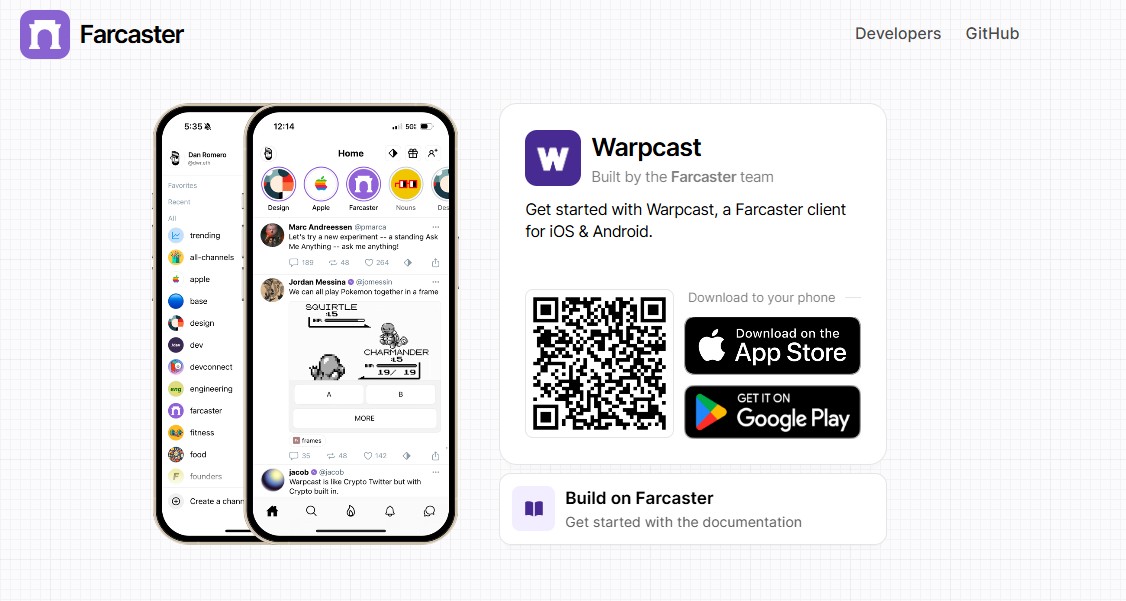
Farcaster Sync is the primary automation layer for creators who want to maintain visibility on both X and Farcaster simultaneously. It connects your X account to your Farcaster profile, automatically posting your tweets as casts on Farcaster and the Base app. This tool is essential for maximizing reach with minimal effort, allowing you to support threads and maintain consistency across networks.
Farcaster Clients and Hubble
To interact with the network, you need a reliable client. The official Farcaster app provides the standard interface for casting, following, and engaging with the community. For those interested in the underlying infrastructure or running their own node, the Hubble client offers a deep dive into the decentralized nature of the network built on Ethereum. Understanding these tools helps you manage your public profile features and private messaging capabilities effectively.
Comparison of Sync Tools
Choosing the right automation setup depends on your technical comfort and specific needs. The table below outlines the key differences between the primary sync tool and the core client infrastructure.
| Tool | Primary Function | Cost | Setup Complexity |
|---|---|---|---|
| Farcaster Sync | Auto-posts X tweets to Farcaster | Free | Low |
| Official Farcaster App | Standard social interface for casting | Free | Low |
| Hubble Client | Decentralized node interaction | Free (self-hosted) | High |
Hardware for Security
Since Farcaster is built on Ethereum, securing your wallet is critical to protecting your identity and any associated digital assets. A hardware wallet provides an offline storage solution for your private keys, significantly reducing the risk of hacks. For creators entering the space, investing in a reputable hardware wallet is a foundational step in maintaining security across all your social and financial activities.
Run your own sync hub
Hosting a personal Farcaster hub shifts the balance of power from platform intermediaries to you. For creators treating their audience as a high-value asset, this infrastructure ensures you control the data stream and monetization rails. While the Farcaster protocol is built on Ethereum, relying on third-party hub providers introduces latency and potential censorship risks that can hurt engagement during high-volume events.
Setting up a self-hosted hub requires technical diligence, but it pays off in reliability and data sovereignty. You become the primary source of truth for your followers' casts, reactions, and follows. This setup is particularly vital if you plan to integrate custom analytics or offer exclusive content gated by hub verification.
1. Prepare your infrastructure
You will need a dedicated server with at least 4GB of RAM and 50GB of fast SSD storage. A VPS from providers like Hetzner or DigitalOcean works well. Ensure you have a static IP address and a domain name pointed to it. This infrastructure forms the backbone of your sync strategy, handling the heavy lifting of data replication and validation.
2. Install the Hub software
Download the official Farcaster Hub binary from the GitHub repository. The software is written in TypeScript and requires Node.js. Run the initialization command to create the necessary configuration files. This step sets up the local database where your cast data will reside. It is critical to verify the checksum of the downloaded binary to ensure no tampering has occurred.
3. Configure the hub
Edit the configuration file to specify your Ethereum RPC endpoint. This allows the hub to validate user identities and frame signatures on-chain. Set the network parameter to mainnet to connect to the live Farcaster network. You should also configure the peer settings to connect to other known hubs for initial data synchronization. This ensures you start with a complete dataset rather than an empty slate.
4. Start and sync
Launch the hub process in the background. The initial sync can take several hours as it downloads the entire history of the Farcaster network. Monitor the logs for any errors or connection issues. Once the sync is complete, your hub will begin processing new casts in real-time. You can verify its health by checking the block height against other hubs on the network.
5. Integrate with your application
Point your creator dashboard or analytics tool to your hub's API endpoint. This allows you to query casts, profiles, and reactions directly from your own server. You can now build custom features like real-time notifications or personalized feed algorithms. This integration gives you full control over the user experience without relying on external APIs that might change or go down.
6. Maintain and secure
Regularly update the hub software to benefit from performance improvements and security patches. Monitor disk usage and memory consumption to prevent outages. Consider setting up automated backups of your database to a secure location. This maintenance routine ensures your hub remains a reliable asset for your business, protecting your data and reputation.
Monetization via real-time data
Syncing your on-chain identity with your social presence removes the friction between engagement and revenue. Instead of treating followers as passive viewers, you can treat them as active participants in a live economy. This shift allows for dynamic pricing models where the cost of access or the value of a tip reacts instantly to current market conditions and audience activity.
Consider the cost of transactions on the Base network, where Farcaster operates. When gas fees are low, micro-tipping becomes viable for casual fans. When fees spike, the same interaction might require a higher threshold. By monitoring the ETH price and network activity, you can adjust your subscription tiers or tip jars to maintain consistent revenue regardless of market volatility. A live look at ETH helps contextualize these transaction costs in real time.
This approach also enables dynamic pricing for digital goods or exclusive content. If a creator’s engagement spikes during a live event, the value of their limited-edition NFTs or early-access passes can increase automatically. Conversely, if interest wanes, prices can drop to stimulate demand. This isn't just about setting a static price; it's about letting the market signal the right moment to buy or sell, ensuring both creator and consumer get fair value at the point of transaction.
Common sync pitfalls to avoid
Even with a solid plan, misconfiguring your Farcaster sync infrastructure can lead to significant data loss or latency issues. When hubs fail to synchronize correctly, posts and replies may disappear or arrive out of order, breaking the narrative flow for your audience.
The most critical risk is relying on a single point of failure. If your primary hub goes offline or encounters scaling issues, your content becomes inaccessible until the network resolves the inconsistency. This is not just a technical glitch; it is a direct threat to your credibility and audience retention.
Security is another major concern. Improper configuration can expose your node to malicious actors or allow for data manipulation. Always follow official documentation and best practices to secure your sync process. Remember, in the high-stakes world of crypto-social platforms, your data integrity is your most valuable asset.
Farcaster protocol: what to check next
Understanding the mechanics of Farcaster helps creators manage the protocol efficiently. Here are answers to common questions about its infrastructure and features.
What chain is Farcaster on?
Farcaster is built on Ethereum. This foundation allows users to create public social profiles and communities that interact directly on the blockchain. The protocol leverages Ethereum's security while using Optimism for scalable data storage. QuickNode provides detailed guides on how this integration works.
Can I chat on Farcaster?
Yes, Farcaster supports direct messaging. You can send private messages to friends, post and reply to public messages, and visit other users' public profiles. The protocol is designed for both public broadcasting and private one-on-one conversations. You can find more details on the official Farcaster app page.
How to scan with Farcaster?
Scanning is primarily used for authentication, such as "Sign in with Farcaster" (SIWF). The process involves showing a sign-in button, waiting for the user to scan a QR code, and approving the request in the Farcaster app. Once approved, you receive and verify a signature to display the user's profile. See the Farcaster Auth Kit documentation for implementation details.
Helpful gear
Use these product recommendations as a starting point, then choose the size, material, and price point that fit how you actually use the gear.
As an Amazon Associate, we may earn from qualifying purchases.
No comments yet. Be the first to share your thoughts!