What Farcaster Sync Actually Does
Farcaster Sync is the mechanism that keeps the decentralized network consistent. It is not a single tool but a protocol-level process designed to replicate data across the hub network. For anyone conducting a Farcaster Sync analysis, understanding this replication layer is the first step. Without it, the social graph would remain fragmented across isolated nodes, making global queries impossible.
The sync process functions like a distributed ledger update. When a user posts a "cast" or updates their profile, that action is recorded on-chain. The hubs—servers that store this data—must then agree on the current state. This agreement happens through a three-phase process: snapshot sync, gossip sync, and validation. Snapshot sync brings a new hub close to the current state quickly, while gossip sync refines that data in real-time. This ensures that whether you are accessing data from a local machine or a remote server, the information remains consistent.
For developers and analysts, this distinction matters. You might sync the Farcaster network to a local machine to run custom queries on the data. This local access allows for deeper Farcaster Sync analysis, enabling you to track user growth, engagement patterns, and hub performance without relying on third-party APIs. The official Farcaster docs provide detailed technical specifications for those looking to set up their own hub or analyze the replication logs directly.
How Farcaster Sync Works
Understanding the Farcaster Sync analysis starts with the underlying mechanics of how data moves through the network. Unlike traditional social platforms that rely on centralized databases, Farcaster uses a decentralized hub-and-spoke model. This architecture ensures that no single entity controls the feed, but it does require a rigorous synchronization process to keep data consistent across thousands of nodes. The sync process is divided into three distinct phases: Snapshot, Gossip, and State.
The first phase, Snapshot sync, acts as the foundation. When a new node joins the network or reconnects after being offline, it doesn't start from scratch. Instead, it downloads a compressed "snapshot" of the current network state. This is a fast, efficient way to bring a hub close to the current reality without replaying every single message ever sent. Think of it like downloading a save file in a video game; you skip the tutorial and jump straight into the action.
Once the snapshot is in place, the Gossip sync phase takes over. This is a peer-to-peer protocol where nodes exchange recent messages with each other. It’s designed for speed and low latency, ensuring that new casts, likes, and follows propagate quickly across the network. This phase keeps the data fresh and ensures that all participating nodes are roughly in agreement about what just happened.
Finally, the State phase involves verifying and committing these changes to the underlying blockchain (Optimism). This is where the decentralized security model kicks in. By anchoring the state to the blockchain, Farcaster guarantees that the data is immutable and verifiable. This three-phase approach allows the network to scale efficiently while maintaining the integrity that users expect from a Web3 social protocol.
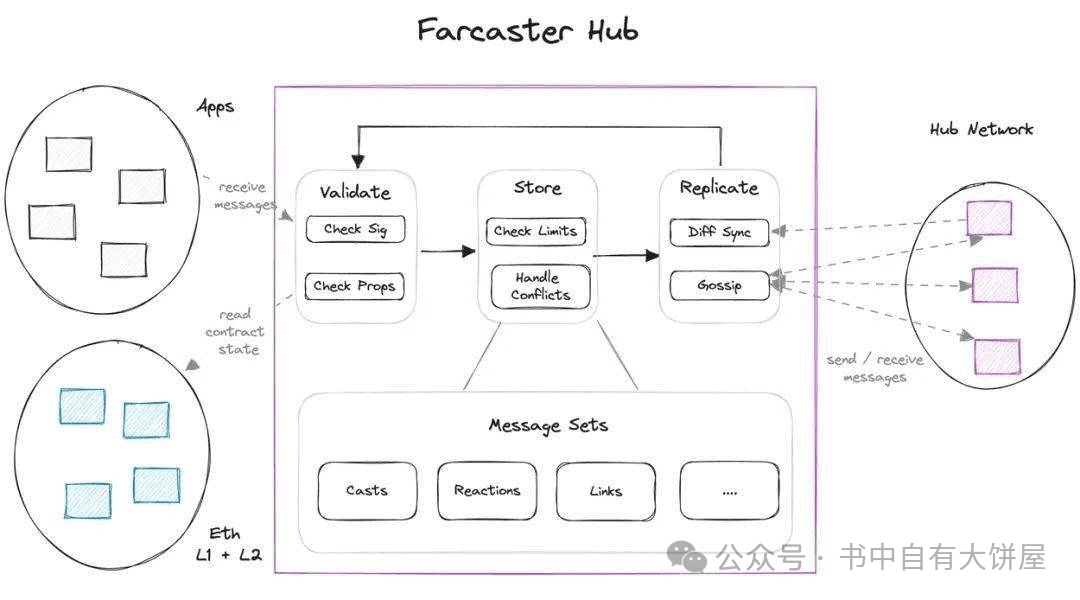
For developers looking to build on top of this infrastructure, Snapchain nodes provide real-time access to this synchronized data. Instead of waiting for blockchain confirmations or polling hubs manually, Snapchain nodes process the gossip and state updates in near real-time. This allows developers to query the network for live data, enabling features like real-time feeds, instant notifications, and dynamic user profiles. This direct access is crucial for building responsive applications that feel as smooth as their centralized counterparts, while still benefiting from the openness of the Farcaster network.
Tracking creator growth through synced data
Farcaster Sync analysis gives builders a direct line to the raw signals that drive audience growth. Instead of guessing which posts resonate, creators can pull synced data to see exactly how engagement moves across profiles, channels, and topics. This transparency turns vague intuition into a measurable content strategy.
The most immediate benefit is identifying trending users and topics in real time. By analyzing the flow of casts and replies, you can spot emerging narratives before they saturate the feed. This allows for timely participation in high-velocity conversations, increasing visibility without relying on algorithmic luck. You are essentially reading the room before the party starts.
Beyond trend spotting, synced data reveals which content formats drive the most meaningful interaction. Are replies clustering around technical deep-dives or meme culture? Tracking these patterns helps creators refine their voice and posting cadence. It is less about posting more and more about posting what the data shows the community actually wants to discuss.
To ground this analysis in the current economic reality, it helps to watch the broader market context. Farcaster’s activity often correlates with Ethereum ecosystem trends, making it useful to monitor relevant asset performance.
Monetization Paths in 2026
Farcaster’s onchain architecture changes how creators earn. Unlike traditional social platforms that gate revenue behind algorithmic ad splits, Farcaster puts payment rails directly in the protocol. This shift allows for instant, permissionless monetization through tips, subscriptions, and native digital assets. For a Farcaster Sync analysis, understanding these paths is essential because they determine which tools and integrations actually drive revenue.
The most immediate monetization method is tipping. Because Farcaster runs on Ethereum Layer 2 networks like Optimism, microtransactions are cheap enough to support casual support. Creators can display wallet addresses or use client-specific tip buttons, allowing fans to send USDC or ETH directly. This removes the friction of third-party payment processors and keeps funds in the creator’s custody immediately.
For recurring revenue, subscriptions offer a more predictable income stream. Clients like Warpcast and others support subscription features that let users pay a monthly fee to access exclusive content or badges. These subscriptions are often tied to onchain credentials, meaning the access is verifiable and portable across different Farcaster clients. This model works best for creators with a dedicated niche audience willing to pay for consistency.
Finally, NFTs and onchain collectibles provide a unique monetization avenue. Creators can mint limited-edition profiles, badges, or content tokens that serve as both art and proof of support. These assets appreciate in value if the creator’s influence grows, creating a secondary market that benefits both the artist and early supporters. This aligns incentives in a way that traditional social media never could.
To help you decide which path fits your strategy, here is a comparison of the primary monetization models available on Farcaster.
| Model | Ease of Setup | Best Audience Fit | Revenue Type |
|---|---|---|---|
| Tips | Instant | Casual followers | One-time |
| Subscriptions | Moderate | Dedicated community | Recurring |
| NFTs | Complex | Collectors & fans | Primary + Secondary |
Farcaster Sync Analysis FAQ
Understanding the infrastructure and mechanics of Farcaster Sync is essential for developers and analysts building on the protocol. Below are answers to the most common questions regarding its security, terminology, and ecosystem alternatives.
No comments yet. Be the first to share your thoughts!