Farcaster sync strategy limits to account for
Choosing a Farcaster sync strategy requires balancing data reliability, latency, and infrastructure costs. The decision hinges on whether you prioritize real-time accuracy or eventual consistency, and how your application handles hub failures.
Farcaster sync strategy choices that change the plan
The core trade-off in Farcaster sync is between the speed of gossip propagation and the completeness of snapshot retrieval. Most modern clients use a hybrid approach, but understanding the limits of each method is critical for building robust applications.
| Factor | What to check | Why it matters |
|---|---|---|
| Fit | Match the option to the primary use case. | A good deal still fails if it does not fit the job. |
| Condition | Verify age, wear, and service history. | Hidden condition issues erase upfront savings. |
| Cost | Compare purchase price with likely upkeep. | The cheapest option is not always the lowest-cost option. |
Choose the next step
Implementing a sync strategy is a sequence, not a scramble through settings. Do the minimum first: confirm hub connectivity, verify data integrity, and test the result before adding optional features. That order keeps the task understandable and makes failures easier to isolate.
After each step, pause long enough for the interface to finish syncing. Many setup problems are timing problems disguised as configuration problems. If the same step fails twice, record the exact error, restart the smallest affected piece, and retry before moving deeper.
Spotting Weak Farcaster Sync Options
Not all sync tools serve creators equally. Many promise auto-syncing posts between X and Farcaster, but the infrastructure behind them varies wildly. Before committing to a platform, check how it handles data reliability and monetization hooks.
1. Hub Dependency Risks
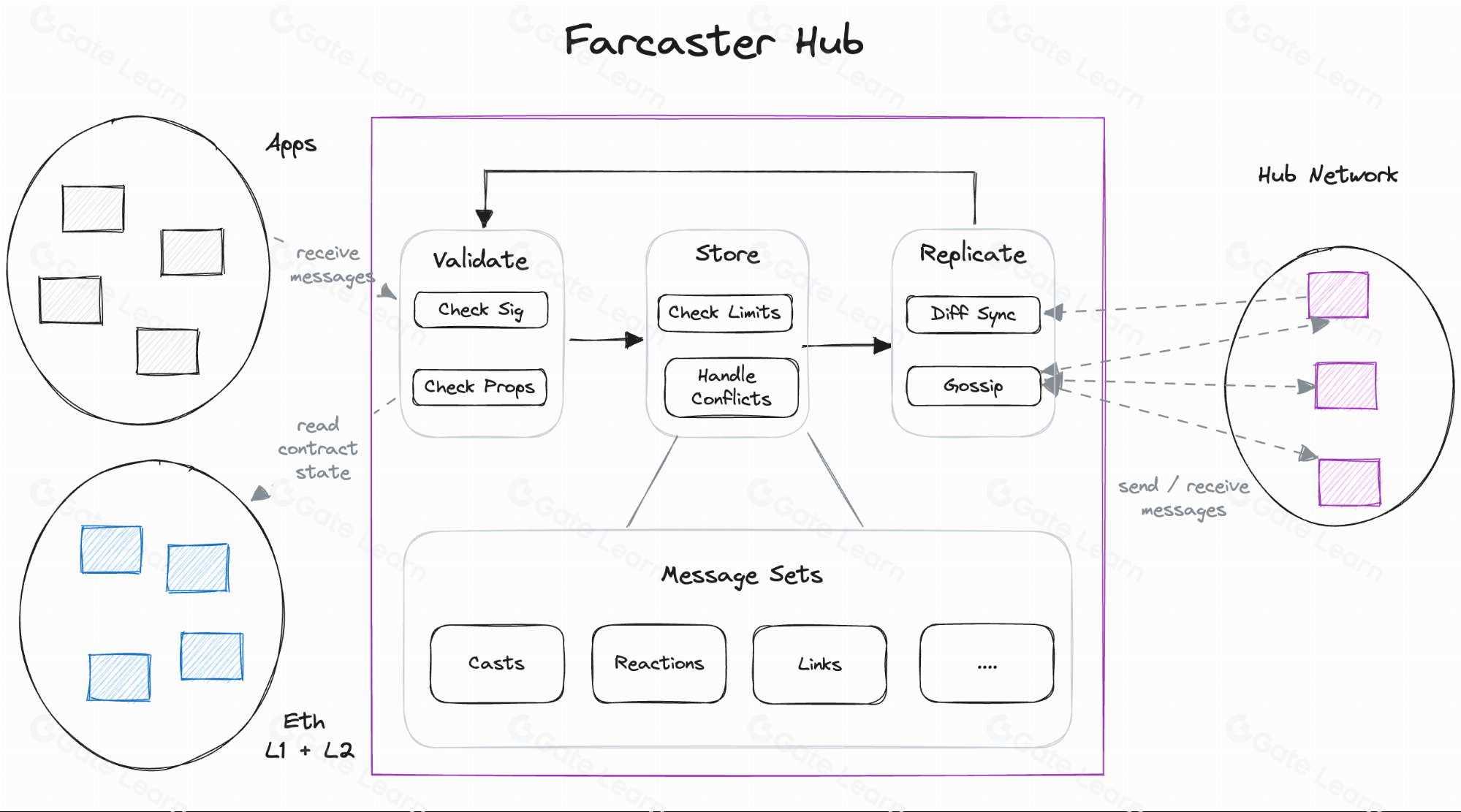
Farcaster relies on hubs for data storage. If a sync tool depends on a single hub, a sync failure there breaks your entire cross-posting workflow. Look for multi-hub redundancy in their documentation.
2. Monetization Gaps
Syncing posts is easy; monetizing them is hard. Weak options often lack native support for Farcaster Frames or wallet connections. If the tool doesn't explicitly mention support for creator monetization features, assume it won't work for your revenue goals.
3. Latency and Rate Limits
Auto-sync sounds seamless but often introduces delays. Check the tool's rate limit policies. If it throttles your posts during high-traffic periods, you'll miss the viral window on both platforms. Test their speed with a dummy account before going live.
Farcaster sync strategy: what to check next
Syncing Farcaster data reliably is the foundation for any creator monetization strategy. If your hub or client isn't keeping up with the chain, your analytics lag and your audience engagement drops. Here are the most common technical hurdles creators face when building on-chain social infrastructure.
Understanding these mechanics helps you choose the right infrastructure. Whether you are building a custom dashboard or using existing tools, ensuring your sync strategy is robust prevents data loss and keeps your monetization efforts on track.
No comments yet. Be the first to share your thoughts!