The Sync Model Shift
Farcaster’s underlying infrastructure recently underwent a fundamental change in how hubs synchronize data. The network moved away from a delta-based sync model to a hybrid approach combining snapshot and gossip protocols. This isn't just a code update; it is a structural shift that directly impacts how reliably creators can access their own data and how efficiently the network scales.
In the previous delta-based model, hubs synchronized by comparing and copying only the "deltas" or changes since the last known state. While efficient for small updates, this approach created a fragile chain of dependencies. If a hub missed a single delta or encountered a corrupted state, it could fall out of sync with the rest of the network, requiring complex and slow recovery processes. For creators relying on consistent data availability, this meant unpredictable gaps in their feed or profile information.
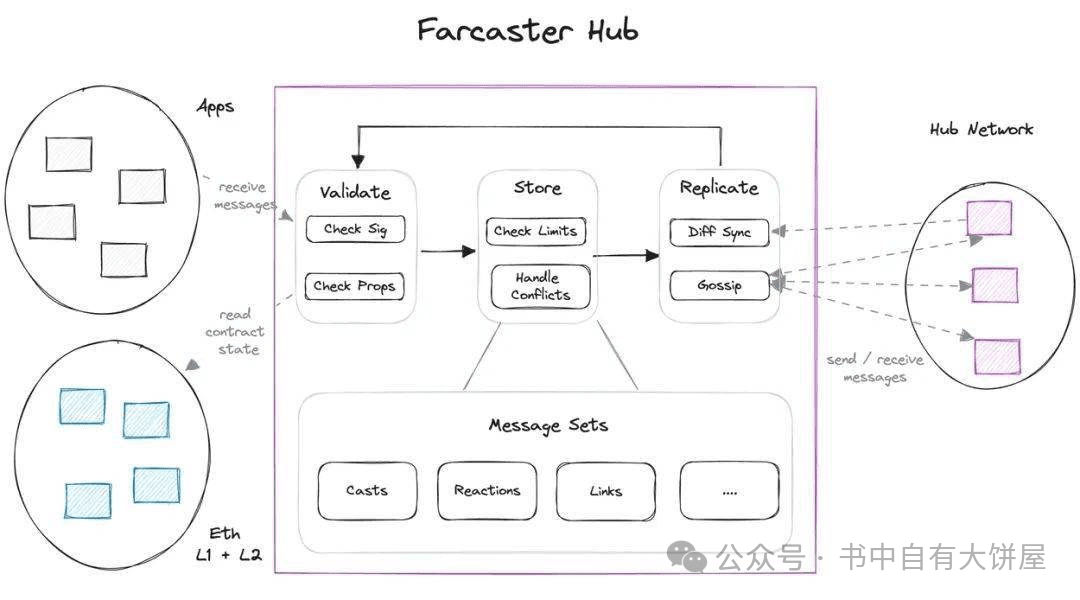
The new model replaces this linear dependency with two distinct phases: snapshot sync and gossip sync. Snapshot sync acts as a fast, initial state transfer, bringing a new or lagging hub close to the current network state in one large batch. Gossip sync then handles the continuous, real-time propagation of new data. This separation ensures that hubs can recover quickly from outages and maintain a more consistent view of the network.
This architectural change matters for creator monetization because it stabilizes the data layer. When the network’s state is consistent and recoverable, applications built on top of Farcaster can trust that the data they are displaying is accurate and up-to-date. This reliability is a prerequisite for any serious monetization strategy, whether it involves subscriptions, tips, or marketplace transactions. Without a robust sync model, the foundation for these financial interactions remains shaky.
Hub reliability and creator reach
Use this section to make the Farcaster Sync analysis decision easier to compare in real life, not just on paper. Start with the reader's actual constraint, then separate must-have requirements from details that are merely nice to have. A practical choice should survive normal use, maintenance, timing, and budget. If a recommendation only works in an ideal situation, call that out plainly and give the reader a fallback path.
The simplest way to use this section is to write down the must-have criteria first, then compare each option against those criteria before weighing nice-to-have features.
Data access for monetization tools
Farcaster’s sync infrastructure transforms raw network gossip into structured, queryable data. For third-party monetization tools, this shift is the difference between building on shaky ground and having a reliable foundation. Before sync was standardized, developers often relied on scraping or incomplete node feeds, leading to fragmented user profiles and delayed metrics. Today, a synced hub provides a consistent view of the social graph, enabling dashboards to index user activity with precision.
This improved data access directly impacts how creators are valued. Monetization platforms can now track engagement signals—such as frame interactions, channel subscriptions, and follower growth—across the entire network rather than just a single snapshot. This completeness allows for more accurate attribution models, ensuring that creators are credited for their influence across different touchpoints. Without this level of data fidelity, monetization tools struggle to distinguish between organic growth and artificial inflation.
The technical advantage lies in the ability to run complex queries on historical data. Synced hubs store the full history of casts, reactions, and links, allowing analytics tools to perform deep-dive analyses. For instance, a creator dashboard can now calculate the lifetime value of a user or identify trending topics within specific channels with low latency. This depth of insight is what separates robust monetization infrastructure from basic social media aggregators.
Legacy vs. Sync-Enabled Data Pipelines
The following comparison highlights the operational differences between older data access methods and modern sync-enabled pipelines.
| Feature | Legacy Access | Sync-Enabled Pipeline | Monetization Impact |
|---|---|---|---|
| Data Completeness | Partial, node-dependent | Full network history | Accurate user profiling |
| Query Latency | High, real-time scraping | Low, indexed queries | Real-time dashboard updates |
| Graph Consistency | Fragmented across nodes | Unified social graph | Reliable attribution |
| Historical Analysis | Limited, recent only | Full chain history | Lifetime value calculations |
| Developer Effort | High, custom scrapers | Standardized APIs | Faster tool iteration |
With reliable data access, creators can leverage these tools to optimize their monetization strategies. They can identify which content drives the most engagement, understand their audience demographics, and track revenue streams in real time. This transparency not only benefits creators but also attracts advertisers looking for precise targeting options. As the Farcaster ecosystem matures, the quality of data access will remain a critical differentiator for monetization platforms.
Token incentives and platform dynamics
The architecture of Farcaster’s hub system does more than route messages; it fundamentally alters how value flows between creators and the platform. Unlike centralized social networks where the host captures the majority of economic surplus, Farcaster’s pluralistic incentive structure distributes control across multiple actors. This shift is not merely ideological—it creates a resilient economic model that stabilizes creator revenue against platform-level volatility.
At the core of this stability is the interaction between token-based rewards and the decentralized sync infrastructure. Research indicates that diverse token mechanisms significantly impact user behavior and platform longevity by aligning individual incentives with network health [src-serp-6]. When creators hold tokens or earn from independent hosting services, their motivation shifts from chasing algorithmic visibility to building genuine community engagement. This reduces the "churn" typical of attention-economy platforms.
The sync layer plays a critical role here. By ensuring that data remains portable and verifiable across hubs, the infrastructure prevents vendor lock-in. Creators can move their audience or switch hosting providers without losing their social graph or reputation. This portability forces service providers to compete on quality and price, rather than relying on captive audiences. The result is a market where creator value is derived from sustained relationships, not fleeting viral moments.
This dynamic creates a feedback loop: better infrastructure supports more diverse incentives, which in turn fosters a more stable and valuable creator economy. As the network grows, the cost of leaving increases for users, but the ability to monetize directly becomes easier for creators. The platform’s long-term viability depends on maintaining this balance, ensuring that technical reliability matches economic fairness.
Creator checklist for sync tools
Choosing the right sync infrastructure isn't just about cross-posting; it's about data integrity. If your hub sync lags, your monetization triggers fail. Use this checklist to ensure your tool connects reliably to the Farcaster network.
Ensure your tool pulls from multiple hubs. A single point of failure means missing casts during high-traffic events, directly impacting engagement metrics.
Look for tools that utilize "snapshot sync" to quickly catch up with the current state of the network. Slow initial syncs can cause you to miss early monetization windows.
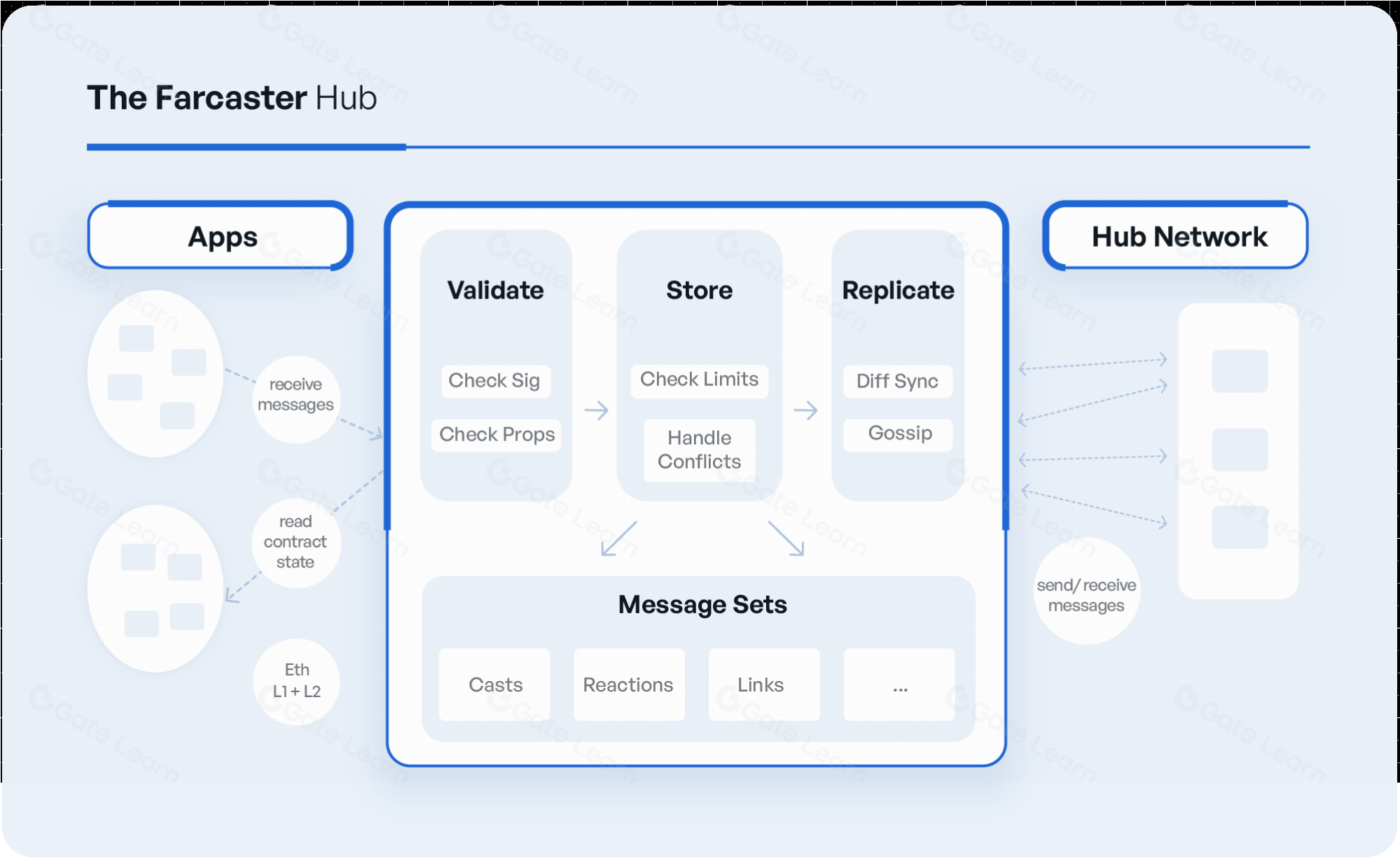
Verify how fast the tool propagates new messages to peers. Low-latency gossip sync ensures your content appears instantly across connected platforms like Base.
Prioritize tools that explicitly document their sync mechanics. Reliability beats feature bloat when your revenue depends on consistent data flow.
No comments yet. Be the first to share your thoughts!