What Farcaster Sync Means for Creators
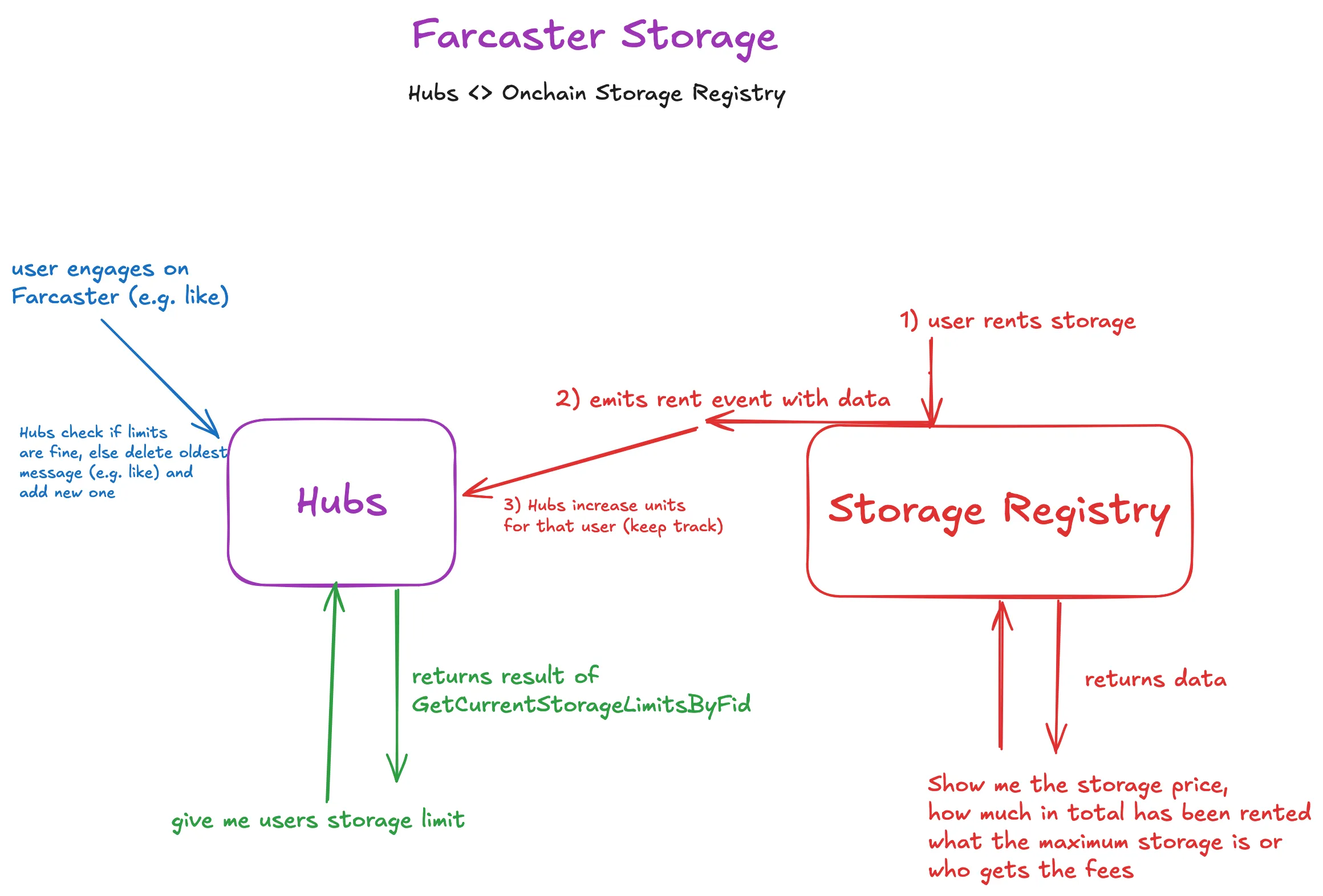
Farcaster Sync is the infrastructure layer that turns isolated social posts into portable, monetizable assets. At its core, it is a synchronization protocol that allows data hubs to replicate user messages across the network. When you post on Farcaster, Sync ensures your content, likes, and replies are reliably stored and shared among these hubs.
For creators, this means your audience and engagement metrics are not locked into a single platform. Instead, they are distributed across a network of independent nodes. This portability is essential for long-term value, as it allows you to move your community and data between different applications and tools without losing your history or reach.
Think of Farcaster Sync as the plumbing behind your social presence. Without it, your posts would be static fragments stuck in one place. With it, your content flows freely, ensuring that every interaction contributes to a larger, accessible profile that you truly own.
Hub selection and data reliability
Farcaster Sync works best as a sequence, not a scramble through settings. Do the minimum first: confirm compatibility, connect the core hardware, update only when needed, and test the result before adding optional features. That order keeps the task understandable and makes failures easier to isolate. After each step, pause long enough for the interface to finish syncing. Many setup problems are timing problems disguised as configuration problems. If the same step fails twice, record the exact error, restart the smallest affected piece, and retry before moving deeper.
| Factor | What to check | Why it matters |
|---|---|---|
| Fit | Match the option to the primary use case. | A good deal still fails if it does not fit the job. |
| Condition | Verify age, wear, and service history. | Hidden condition issues erase upfront savings. |
| Cost | Compare purchase price with likely upkeep. | The cheapest option is not always the lowest-cost option. |
Frames as the Monetization Layer
Frames have evolved from simple interactive cards into the primary vehicle for direct monetization on Farcaster. For creators, this shift transforms passive social engagement into a functional economy. A frame is no longer just a visual element; it is a self-contained web application that lives within a cast, allowing users to interact with services, mint assets, or subscribe to content without ever leaving the social feed.
This architecture requires robust Farcaster sync infrastructure to function seamlessly. Because frames execute client-side code and rely on real-time state updates, any latency in syncing data from the hub can break the user experience. When a user clicks a "Mint" button or toggles a subscription, the frame must instantly communicate with the creator’s backend, verify the on-chain transaction, and update the UI. If the sync layer lags, the transaction fails, and the monetization loop breaks. This tight coupling means that reliable data synchronization is not just a technical detail—it is the foundation of revenue generation.
The monetization models enabled by frames are diverse. Creators can sell direct access to exclusive content, offer limited-edition NFTs as paywalls, or integrate subscription services directly into the cast. This frictionless experience is critical. In traditional web2 models, users must navigate away from social media to a separate platform to complete a purchase. On Farcaster, the transaction happens in the same context as the content, reducing drop-off rates and increasing conversion.
To understand the economic context of this infrastructure, it helps to look at the broader market trends driving adoption. The value of decentralized social infrastructure is often correlated with the underlying asset it runs on.
The integration of these financial tools within frames is not just about convenience; it is about creating a new standard for digital ownership. By embedding commerce directly into social interactions, creators can build sustainable businesses that are directly supported by their audience. This requires a deep understanding of the technical requirements, particularly the role of hub architecture in maintaining the speed and reliability that users expect. As the ecosystem matures, the distinction between social media and financial application will continue to blur, making frames the central hub of creator economy activity.
Expanding reach with cross-platform sync
Syncing Farcaster activity to platforms like Twitter/X is no longer just a convenience feature; it is a primary mechanism for expanding your total addressable market. By connecting your accounts, you allow your content to flow automatically between networks, ensuring that your insights reach audiences who may not yet be on Farcaster.
The goal is to treat these platforms as complementary channels rather than isolated silos. When you sync posts, you are essentially broadcasting your Farcaster voice into larger, existing ecosystems. This strategy supports threaded discussions and keeps your narrative consistent across the social web, turning casual scrollers into engaged followers.
| Platform | Primary Benefit | Sync Risk |
|---|---|---|
| Twitter/X | Massive discoverability for new audiences | High spam filter sensitivity |
| Professional network expansion | Tone mismatch with casual Farcaster posts | |
| Telegram | Direct community engagement | Low visibility for non-members |
To maximize growth, curate your sync settings carefully. Not every Farcaster post belongs on every platform. Prioritize high-signal content for Twitter to avoid triggering spam flags, while reserving more niche discussions for smaller, direct communities. This selective approach maintains credibility while leveraging the reach of larger networks.
Technical setup and API requirements
Integrating with the Farcaster protocol requires more than just basic API calls; it demands a robust infrastructure that can handle the unique sync mechanisms of the Hub architecture. For creators and developers, the first priority is establishing a reliable connection to the network. This involves registering your application on Base.dev and ensuring your codebase utilizes the latest official SDKs to avoid deprecated method errors.
The process follows a clear sequence. Start by securing your developer credentials, then configure your local environment to point to the correct hub endpoints, and finally, implement the sync logic to keep your data current. Each step builds on the previous one, so skipping the registration phase often leads to connection timeouts or data desynchronization.
Before writing code, you must register your application. This step generates the necessary API keys and links your project to the Base ecosystem. It is a mandatory gatekeeper step that ensures your requests are authenticated and tracked properly by the network.
Use the official Farcaster SDK rather than building custom HTTP clients. The SDK handles the complex serialization and deserialization of Casts, Frames, and Reactions. It also abstracts away the underlying gRPC and REST endpoints, reducing the likelihood of implementation errors.
Point your SDK client to the primary or secondary hub endpoints. You can choose between mainnet and testnet environments depending on your development stage. Proper configuration ensures that your application fetches the most recent state of the social graph without unnecessary latency.
| Component | Primary Role | Recommended Source |
|---|---|---|
| Base.dev | Application Registration | Base Official Docs |
| Farcaster SDK | Data Serialization | Farcaster GitHub |
| Hub Nodes | State Synchronization | Farcaster Docs |
Monitor Network Health and Protocol Updates
Staying active on Farcaster requires more than just posting; you need to understand the infrastructure that keeps your content visible. The network relies on a distributed system of hubs that replicate data. If a hub goes offline or falls behind, your casts might not propagate correctly to other users.
You should periodically check the status of major hubs to ensure your content is being indexed. Most hub operators provide public status pages or API endpoints where you can verify sync health. This proactive monitoring helps you avoid the frustration of thinking your posts are live when they are actually stuck in a local cache.
Protocol changes happen frequently as the Farcaster ecosystem matures. Keep an eye on official announcements from the core developers and reputable community sources. Ignoring these updates can lead to compatibility issues with your client or wallet. Treat these updates like software patches for your digital presence—apply them promptly to maintain stability.
For those tracking the underlying Ethereum layer that secures Farcaster, market conditions can influence gas costs and transaction speeds. Keeping a pulse on the broader crypto market helps you anticipate network congestion.
How do I know if a hub is trustworthy?
Look for hubs that are operated by well-known developers or organizations within the Farcaster community. Check their transparency reports and uptime history. Avoid hubs with unknown operators or those that have gone offline without notice.
What happens if I miss a protocol upgrade?
You might experience issues with casting, liking, or following. Most clients will prompt you to update, but staying ahead of these changes ensures a smoother experience. Always check the official Farcaster documentation for compatibility requirements.
Can I run my own hub for better control?
Yes, running a personal hub gives you full control over your data replication. However, this requires technical expertise and reliable infrastructure. For most creators, relying on established public hubs is more practical and cost-effective.
No comments yet. Be the first to share your thoughts!