What Farcaster Sync Analysis Actually Covers
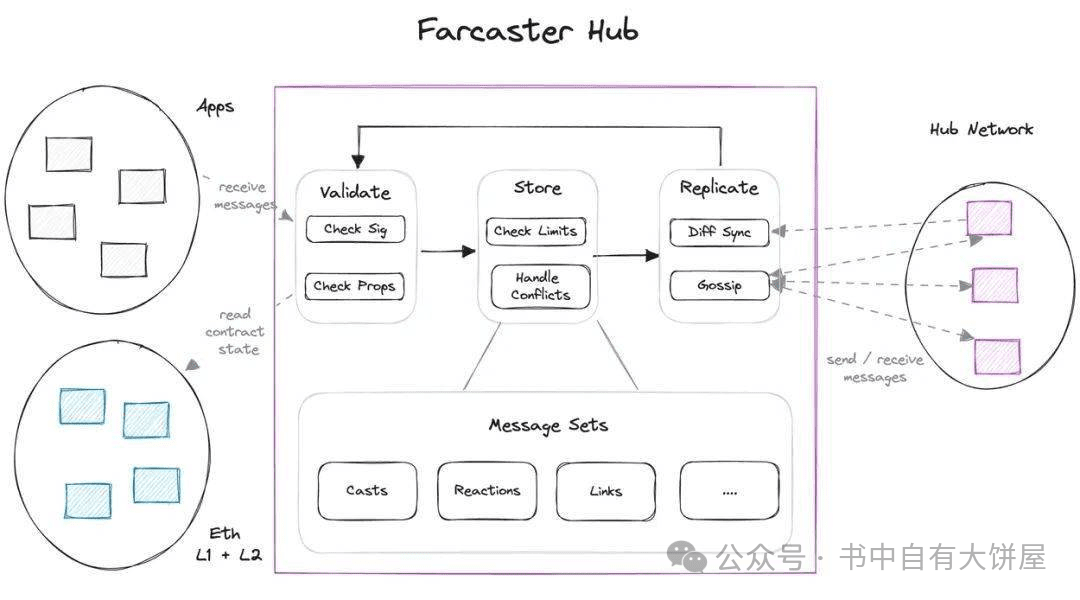
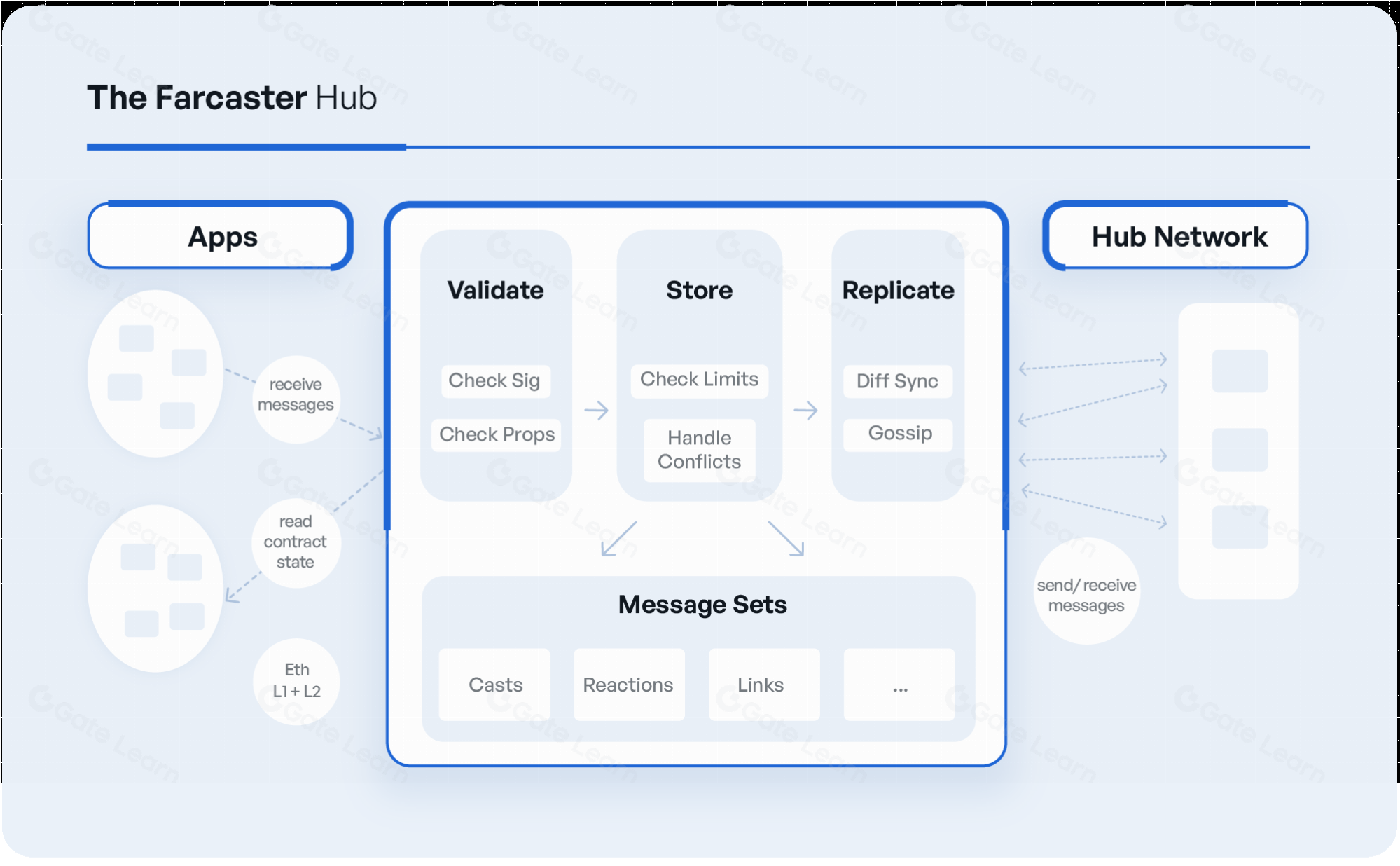
When creators talk about Farcaster sync analysis, they are usually referring to two different technical processes. The first is the user-facing automation that connects your X (Twitter) account to Farcaster, allowing posts to appear on both chains automatically. The second is the developer-level network sync, where you pull the entire Farcaster state into a local database for deep data querying.
Understanding the distinction is critical for monetization. If you are a creator looking to expand your reach, you need the sync tools that bridge social platforms. If you are building an analytics dashboard or a bot, you need the network sync to access the raw on-chain data.
Platform Sync for Creators
This type of sync is about distribution, not data science. Tools like Farcaster Sync (introduced by b3dotfun) allow you to link your X account to your Farcaster handle. When you post on X, it automatically appears on Farcaster and the Base app. This is a simple lever for gaining extra reach without double the work. It does not provide deep analytics, but it solves the content distribution bottleneck.
Network Sync for Developers
For those building tools, network sync means cloning the Farcaster blockchain to a local machine. The official Farcaster docs explain this as the method to "run queries on the data." This gives you full access to frames, casts, and user interactions. It is the foundation for any serious monetization strategy that relies on data insights, such as tracking engagement trends or building a niche analytics product.
The Cost of Syncing
Is Farcaster free to use? Yes, the protocol itself is open and free. However, running a full node for network sync requires significant hardware resources. For creators, the "cost" is usually the subscription fee for the sync tool that bridges X to Farcaster. Always check if the tool you choose charges a monthly fee or takes a cut of your engagement.
Why It Matters for Monetization
Sync analysis isn't just about tech; it's about audience growth. By automating your presence across X and Farcaster, you tap into two distinct communities. The key is to analyze which platform drives more meaningful interactions for your niche. Use the data from network sync to refine your content strategy, or use the platform sync to test new ideas with minimal effort.
Farcaster sync analysis choices that change the plan
Choosing a sync strategy requires balancing speed, accuracy, and infrastructure overhead. There is no single perfect setup; the right choice depends on whether you prioritize real-time visibility for monetization or historical precision for analysis. Below are the primary tradeoffs to evaluate when configuring your sync pipeline.
Sync Speed vs. Data Completeness
Snapshot sync offers the fastest path to a usable state. It pulls the latest data to get a hub close to the current network state immediately. However, this method may miss intermediate messages or context that occurred during the initial gap. If your monetization strategy relies on reacting to trends the moment they break, snapshot sync is often the preferred starting point.
Gossip sync provides higher data completeness by propagating messages through the network mesh. This approach ensures you capture more of the conversation history and context. The tradeoff is latency; gossip sync is slower and requires more bandwidth. For creators analyzing long-term engagement patterns rather than instant reactions, the extra delay is usually worth the richer dataset.
Infrastructure Cost vs. Reliability
Running a local hub gives you full control over your data and query capabilities. You can analyze Farcaster data directly on your own machine, which is essential for custom monetization tools. However, maintaining a local hub requires significant technical overhead. You must manage storage, bandwidth, and peer connections yourself, which can be costly and complex for small teams.
Using a third-party hub provider reduces operational burden but introduces dependency. You trade direct control for reliability and ease of use. Providers handle the heavy lifting of synchronization and uptime, allowing you to focus on content and audience growth. This option is often more practical for creators who want to integrate Farcaster data without managing backend infrastructure.
| Factor | Snapshot Sync | Gossip Sync | Local Hub | Provider Hub |
|---|---|---|---|---|
| Setup Speed | Fast | Medium | Slow | Instant |
| Data Completeness | Low | High | High | High |
| Maintenance Cost | Low | Low | High | Low |
| Custom Analysis | Limited | Limited | Full | Limited |
Network Reach vs. Query Flexibility
Syncing to a single hub limits your view to that hub's peer network. You might miss messages that originated on other hubs before reaching your node. This setup is sufficient for basic monitoring but risky for comprehensive audience analysis. If your monetization depends on capturing the full scope of a viral moment, a single hub may leave you blind to parts of the conversation.
Connecting to multiple hubs or using a robust sync protocol increases your network reach. This approach ensures you receive messages from a broader set of peers, reducing the risk of missing critical data. The tradeoff is increased complexity in managing connections and potential inconsistencies if hubs disagree on message ordering. For serious analysis, multi-hub connectivity is often necessary to ensure data integrity.
Choose the next step
Farcaster Sync Analysis works best as a sequence, not a scramble through settings. Do the minimum first: confirm compatibility, connect the core hardware, update only when needed, and test the result before adding optional features. That order keeps the task understandable and makes failures easier to isolate. After each step, pause long enough for the interface to finish syncing. Many setup problems are timing problems disguised as configuration problems. If the same step fails twice, record the exact error, restart the smallest affected piece, and retry before moving deeper.
Spot Weak Options and Misleading Claims
Sync tools promise to bridge Farcaster and X, but the "auto-sync" label often hides critical tradeoffs. These integrations typically push posts from Farcaster to X, not the other way around. Creators expecting a two-way mirror will find their X audience missing entirely.
The "extra reach" claim is also misleading. Farcaster posts are text-heavy and often lack the visual hooks that drive engagement on X. Auto-posting low-contrast text can actually reduce your visibility on the other platform. Always check the directionality of the sync before connecting accounts.
Another common mistake is assuming Farcaster is entirely free. While the protocol is open, you must pay a small fee to a storage provider (like Neynar or Supercast) to maintain your identity. If you stop paying, your posts disappear. Verify this recurring cost in your monetization budget.
Farcaster sync analysis: what to check next
Helpful gear
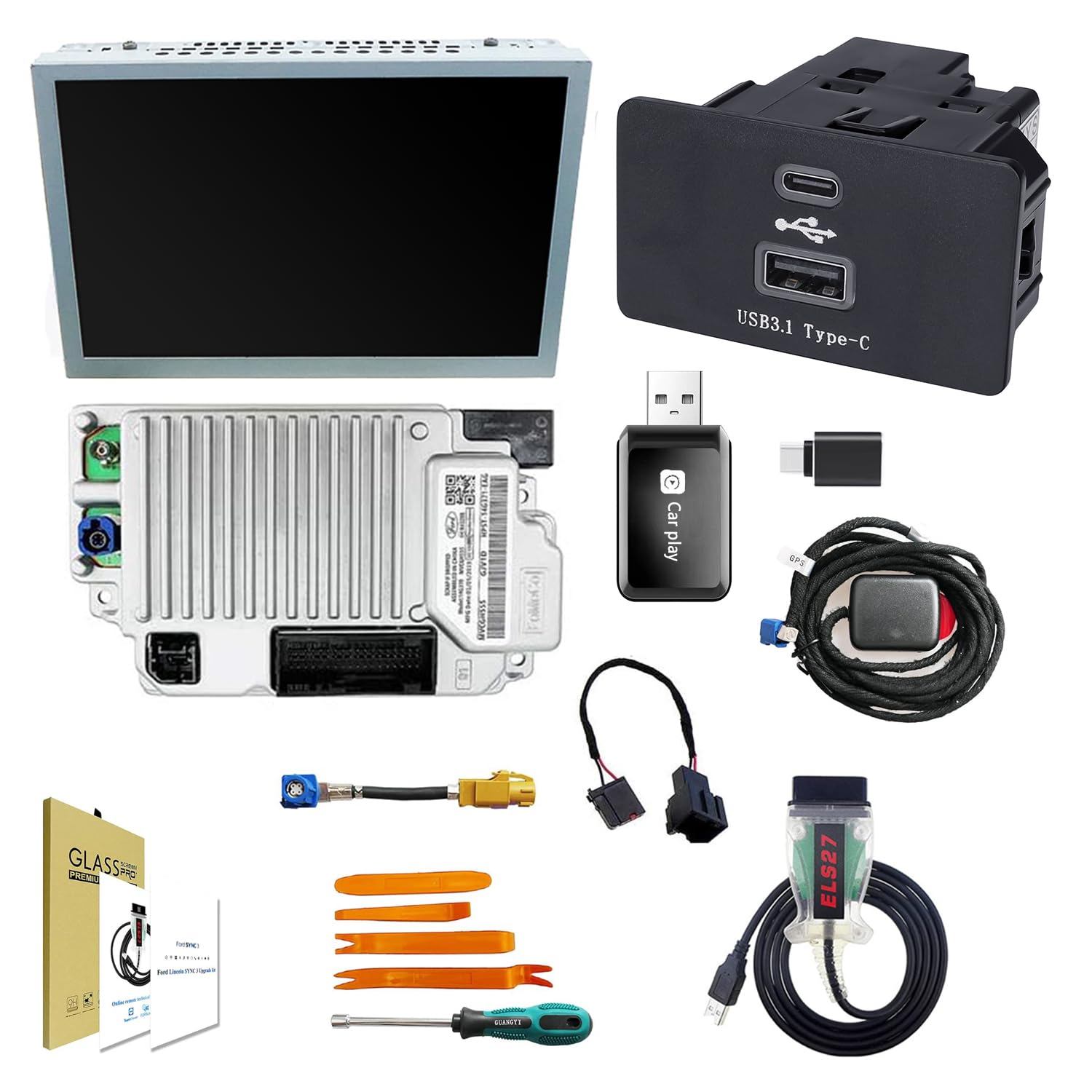
Use these product recommendations as a starting point, then choose the size, material, and price point that fit how you actually use the gear.
As an Amazon Associate, we may earn from qualifying purchases.
No comments yet. Be the first to share your thoughts!