Farcaster sync analysis limits to account for
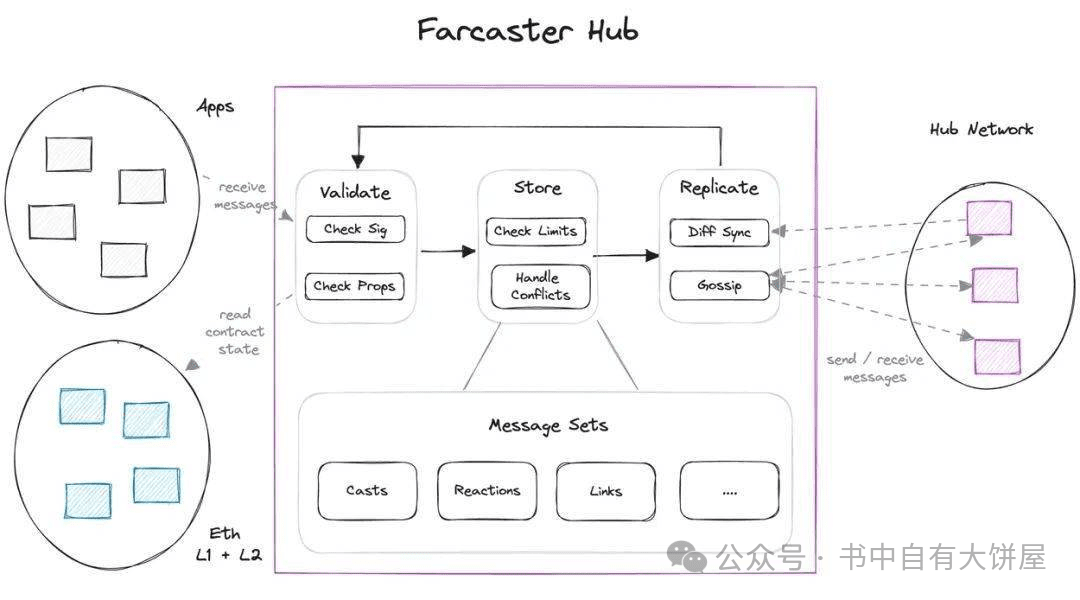
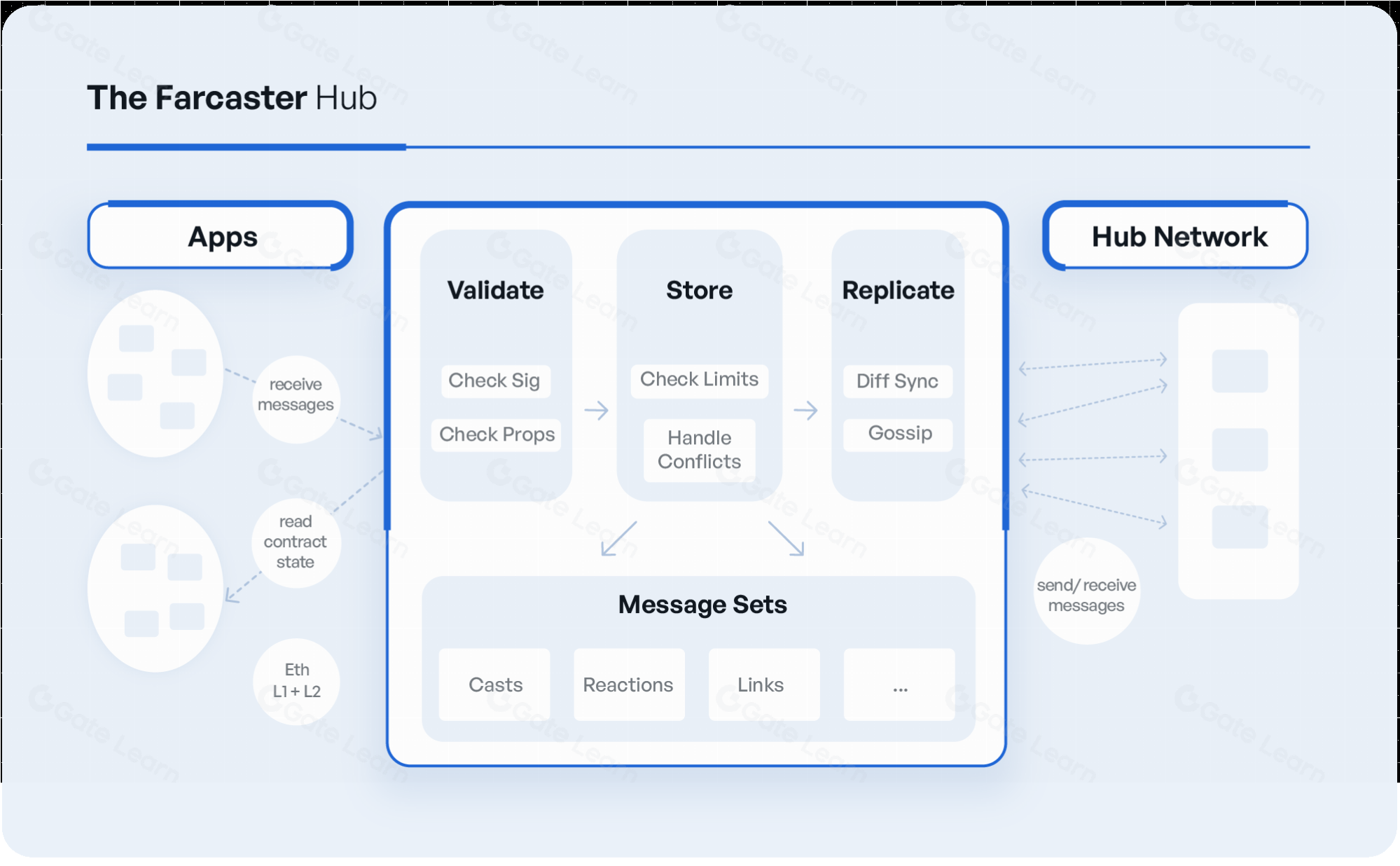
Running a full Farcaster sync is the most demanding part of any creator infrastructure. The protocol’s high throughput means that syncing the chain to a local machine requires significant storage and compute resources. If you are analyzing data for monetization, your sync setup dictates how fresh and complete your insights are.
The primary constraint is storage. The Farcaster network grows continuously, and maintaining a local copy of the entire history consumes terabytes of disk space over time. This is not a minor overhead; it is a hard cap on what you can analyze without relying on third-party APIs. Snapchain nodes offer real-time access, but they still require careful management of disk I/O.
To optimize creator monetization, you must balance freshness against cost. A full sync gives you historical context but slows down query performance. A partial sync or API-based approach is faster but may miss niche trends or older user data. Choose the sync depth that matches your specific monetization goals, whether that is tracking real-time engagement or analyzing long-term community growth.
Farcaster sync analysis choices that change the plan
Choosing a sync infrastructure requires balancing three competing variables: latency, storage cost, and data integrity. There is no single "best" node; there is only the configuration that matches your specific monetization workflow. Evaluate each option against your actual query load and budget constraints.
Sync Latency vs. Storage Overhead
Real-time sync via Snapchain nodes provides immediate access to new messages, which is essential for time-sensitive creator tools. However, this approach demands significant local storage to maintain the full history and state. If your application only needs recent data for analytics, a periodic sync from a managed hub is cheaper and faster to deploy.
Managed Hubs vs. Self-Hosted Nodes
Managed hubs (like those listed in the official Farcaster directory) reduce operational overhead but introduce a trust layer. You rely on their uptime and data completeness. Self-hosting gives you full control and data sovereignty, but you are responsible for hardware scaling and network peering. For most small-scale creator apps, managed hubs are the pragmatic starting point.
Data Completeness and Query Speed
Not all sync methods support complex historical queries. If you need to analyze user growth trends over months, ensure your sync method captures and indexes historical casts and reactions efficiently. Lightweight syncs may only store recent events, limiting your ability to run deep retrospective analysis.
| Sync Method | Latency | Cost | Complexity |
|---|---|---|---|
| Snapchain Node | Real-time | High | High |
| Managed Hub | Near-real-time | Low | Low |
| Periodic Batch | Delayed | Minimal | Medium |
Choose the next step
Farcaster Sync Analysis works best as a sequence, not a scramble through settings. Do the minimum first: confirm compatibility, connect the core hardware, update only when needed, and test the result before adding optional features. That order keeps the task understandable and makes failures easier to isolate. After each step, pause long enough for the interface to finish syncing. Many setup problems are timing problems disguised as configuration problems. If the same step fails twice, record the exact error, restart the smallest affected piece, and retry before moving deeper.

Avoid the weak options
Use this section to make the Farcaster Sync Analysis decision easier to compare in real life, not just on paper. Start with the reader's actual constraint, then separate must-have requirements from details that are merely nice to have. A practical choice should survive normal use, maintenance, timing, and budget. If a recommendation only works in an ideal situation, call that out plainly and give the reader a fallback path.
The simplest way to use this section is to write down the must-have criteria first, then compare each option against those criteria before weighing nice-to-have features.
No comments yet. Be the first to share your thoughts!