What Farcaster Sync Analysis Actually Means
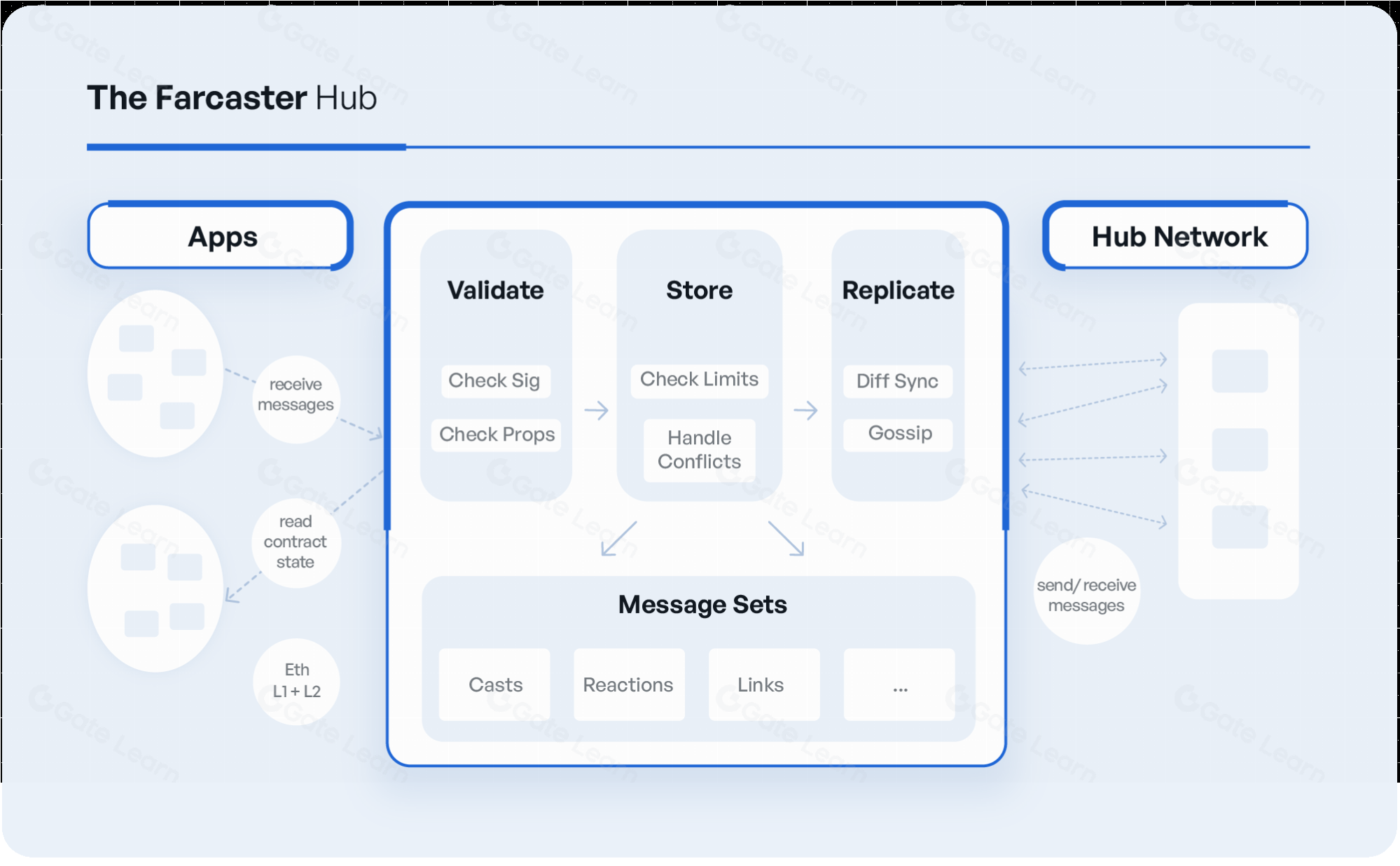
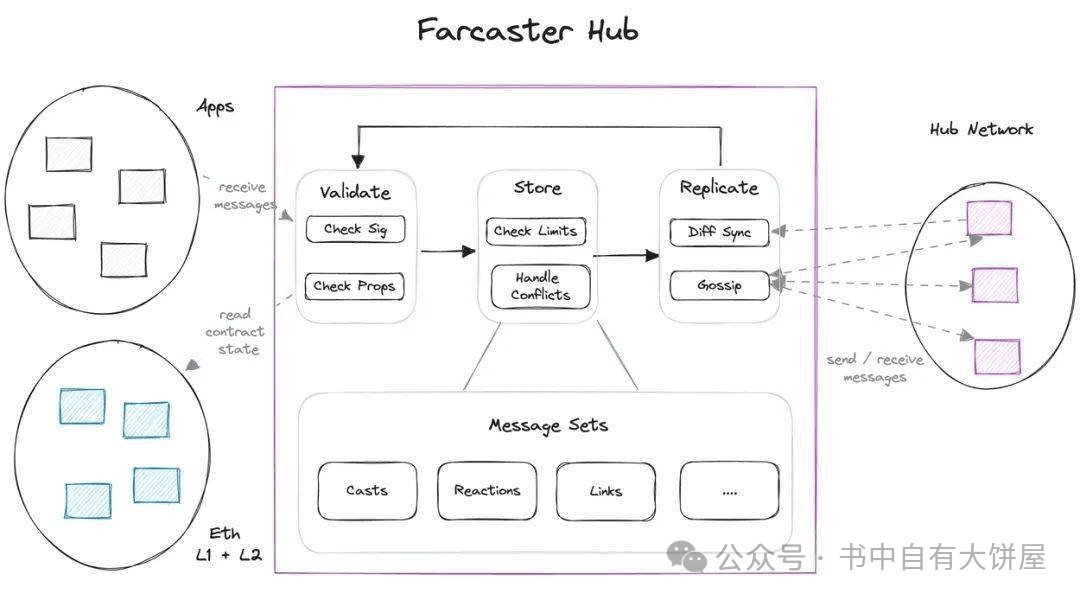
Farcaster sync analysis is the process of replicating the social graph and message history from the Farcaster network to a local machine. This allows creators and developers to run custom queries on the data rather than relying solely on third-party APIs. The official Farcaster documentation describes this as syncing the network to a local machine for analysis.
This approach matters for monetization because it gives you ownership of your audience data. When you run a Snapchain node, you get real-time access to frames, casts, and reactions. This transparency helps you understand which content drives engagement and revenue, rather than guessing based on aggregated metrics.
The tradeoff is technical overhead. You need to manage storage and compute resources to keep the sync current. For most creators, this means partnering with a developer or using a managed sync service. However, the insight gained from direct data access often justifies the effort for those serious about onchain monetization.
Evaluating farcaster sync choices that change the plan
Syncing the Farcaster network to a local machine creates a critical tension between data freshness and operational cost. For creators and builders analyzing onchain activity, the choice of sync strategy directly impacts the reliability of monetization insights. You must weigh three concrete factors: latency, storage overhead, and infrastructure complexity.
Latency and Data Freshness
Real-time access is essential for identifying trending channels or active users before opportunities fade. Snapchain nodes provide this immediacy, pushing updates as they happen. However, this speed comes with higher bandwidth requirements and stricter hardware demands. If your analysis tolerates a slight delay, periodic hub syncing offers a more stable, less resource-intensive alternative.
Storage and Infrastructure Costs
A full local sync requires significant disk space to store the growing chain of frames and user data. Hub syncing allows you to offload some of this burden, but you still need to manage database queries efficiently. Compare the monthly cost of running a dedicated node against the API limits of third-party providers. For most independent creators, a hybrid approach—syncing only active hubs—often strikes the best balance.
Query Complexity and Ease of Use
Running your own sync gives you unrestricted access to raw data, enabling custom clustering and trend analysis. This power is valuable for building unique dashboards but requires SQL expertise and maintenance. Third-party APIs abstract this complexity, offering pre-processed endpoints at the cost of flexibility. Choose based on whether your priority is deep, custom insights or quick, reliable metrics.
| Factor | Snapchain Node | Hub Sync | Third-Party API |
|---|---|---|---|
| Latency | Real-time | Delayed (minutes) | Variable |
| Storage | High | Medium | None |
| Complexity | High | Medium | Low |
| Cost | High (Hardware) | Medium | Subscription |
Choose the next step
Farcaster Sync Analysis 2026 has revealed that infrastructure readiness dictates monetization potential. The network’s move toward Snapchain and local node syncing creates a clear divide between passive users and active builders. To convert this research into a practical decision framework, you must evaluate your technical capacity, capital, and specific use case.
The following steps outline how to select the right path for your onchain creator strategy. Each step addresses a distinct operational need, ensuring you avoid duplicate efforts and focus on high-impact actions.

Decide whether to run a local Snapchain node or rely on third-party APIs. Running a node provides real-time data access and lower latency for high-frequency applications but requires significant hardware and maintenance. If your project demands instant updates for trading or gaming, the infrastructure cost is justified. For most creator tools, API access via providers like Neynar or Supercast is more efficient.
Align your tool with a specific revenue model. Farcaster’s permissionless nature allows for diverse monetization, including direct tips, subscription-based content gating, and token-gated communities. Avoid vague "engagement" metrics; instead, build tools that facilitate direct financial transactions or verifiable ownership of digital assets. Clear value propositions drive adoption in a crowded market.
Ensure seamless Sign-In with Farcaster (SIWF) and wallet connectivity. Users expect to interact with your tool without managing complex key storage. Use existing SDKs to handle authentication and transaction signing. This reduces friction and allows you to focus on the core value proposition rather than building redundant security layers from scratch.
Deploy a minimum viable product (MVP) and monitor on-chain metrics. Farcaster’s open data allows you to track user growth, transaction volume, and retention directly. Use this data to refine your monetization hooks. Unlike traditional social media, you have immediate feedback loops to optimize your strategy without waiting for algorithmic changes.


As an Amazon Associate, we may earn from qualifying purchases.
Spot Weak Options and Misleading Claims
The Farcaster ecosystem is growing fast, but not every tool or claim holds up to scrutiny. As an onchain creator, you need to separate signal from noise before integrating new infrastructure. Many projects overpromise on data availability or understate the technical debt required to maintain a reliable sync.
The Snapchain Node Reality
Syncing the Farcaster network locally is powerful but resource-intensive. Running a Snapchain node gives you real-time access, but it demands significant server costs and maintenance. If a tool claims you can run this on a cheap VPS without tradeoffs, it is likely misleading. Always verify the hardware requirements against the official Farcaster Docs before committing.
Data Sync Pitfalls
Many third-party tools promise "instant" syncs, but latency is a real issue. If your monetization strategy depends on real-time engagement data, check their update frequency. Delays can mean missed opportunities for tipping or gated content. Look for tools that explicitly state their sync interval and error-handling protocols.
Monetization Overpromises
Be wary of platforms that guarantee revenue without clear mechanics. Farcaster is free to use, but monetization requires strategic positioning. Tools that charge high fees for basic analytics often lack the depth needed for serious creators. Focus on tools that offer transparent pricing and direct onchain integration rather than opaque "growth hacks."
Farcaster sync analysis: common: what to check next
Before committing infrastructure or capital to Farcaster, it helps to clarify the mechanics and costs. These answers address the most frequent objections from creators and developers evaluating onchain social.
No comments yet. Be the first to share your thoughts!