The farcaster sync limits to account for
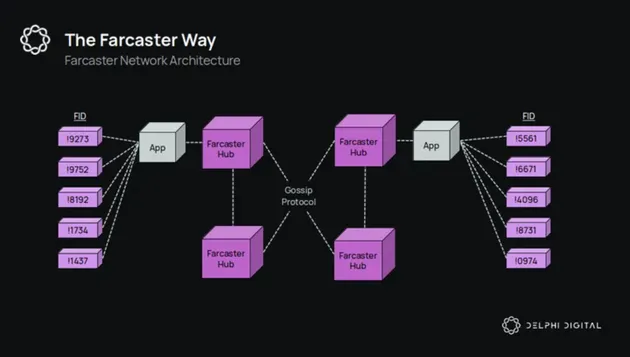
Farcaster Sync acts as the bridge between your on-chain identity and your social graph. It is not a passive background process; it is a strict data synchronization protocol that keeps your casts, reactions, and follows consistent across the network. If the sync fails, your profile becomes fragmented, and your audience cannot see your latest content.
The constraint lies in the finality of the underlying Ethereum L2. Every action you take—posting a cast or updating your profile—must be written to the chain and confirmed by the hub. This creates a hard dependency on network latency and gas conditions. You cannot broadcast a message until the transaction is settled. This ensures decentralization but introduces a latency window that standard Web2 platforms do not have.
For creators, this means you must account for propagation time. A cast is not "live" until the hub acknowledges it. During peak congestion, this delay can stretch from seconds to minutes. Understanding this constraint is essential for managing audience expectations and timing your content drops to avoid network bottlenecks.
Farcaster sync choices that change the plan
Farcaster Sync works best as a sequence, not a scramble through settings. Do the minimum first: confirm compatibility, connect the core hardware, update only when needed, and test the result before adding optional features. That order keeps the task understandable and makes failures easier to isolate. After each step, pause long enough for the interface to finish syncing. Many setup problems are timing problems disguised as configuration problems. If the same step fails twice, record the exact error, restart the smallest affected piece, and retry before moving deeper.
| Factor | What to check | Why it matters |
|---|---|---|
| Fit | Match the option to the primary use case. | A good deal still fails if it does not fit the job. |
| Condition | Verify age, wear, and service history. | Hidden condition issues erase upfront savings. |
| Cost | Compare purchase price with likely upkeep. | The cheapest option is not always the lowest-cost option. |
Choose the next step
Farcaster Sync works best as a sequence, not a scramble through settings. Do the minimum first: confirm compatibility, connect the core hardware, update only when needed, and test the result before adding optional features. That order keeps the task understandable and makes failures easier to isolate. After each step, pause long enough for the interface to finish syncing. Many setup problems are timing problems disguised as configuration problems. If the same step fails twice, record the exact error, restart the smallest affected piece, and retry before moving deeper.
Watch for Weak Options in Farcaster Sync 2026
As the Farcaster Sync 2026 infrastructure matures, creators face a crowded field of tools claiming to streamline their workflow. Not every integration delivers value. Many "sync" features are merely cosmetic wrappers around basic API calls, offering no real efficiency gain over native client interactions. Before committing to a new tool, verify its actual utility against these common pitfalls.
The "One-Click" Monetization Trap
Several platforms promise automated revenue streams through simple toggles. These often rely on low-yield ad networks or speculative token rewards that fail to cover server costs. Real monetization on Farcaster comes from direct creator subscriptions (Frames) or high-engagement casts, not passive sync tools. If a tool charges a monthly fee but doesn't explicitly show how it increases your follower retention or cast velocity, it is likely a weak option. Stick to native Frame development or proven analytics dashboards that track actual engagement metrics.
Over-Engineered Sync Protocols
Some infrastructure updates introduce complex syncing layers that duplicate data already available on the Hub. This creates latency and potential points of failure without improving content distribution. A robust sync should be invisible—updating locally without blocking the main thread. If a tool requires manual cache clearing or frequent re-authentication, it is fighting the network's architecture rather than leveraging it. Prioritize tools that use efficient event listeners over those that poll for changes.
Ignoring the Base App Migration
With the shift toward standard web apps on Base, many older Farcaster extensions are becoming obsolete. Tools that haven't updated their SDKs for the Base App environment will break or display incorrectly. Check the developer's documentation for "Base App" compatibility before installing. If the last update was more than six months ago, assume the sync will fail during peak traffic periods. The infrastructure is moving fast; static tools will not keep pace.
No comments yet. Be the first to share your thoughts!