Farcaster sync analysis: what you need to know
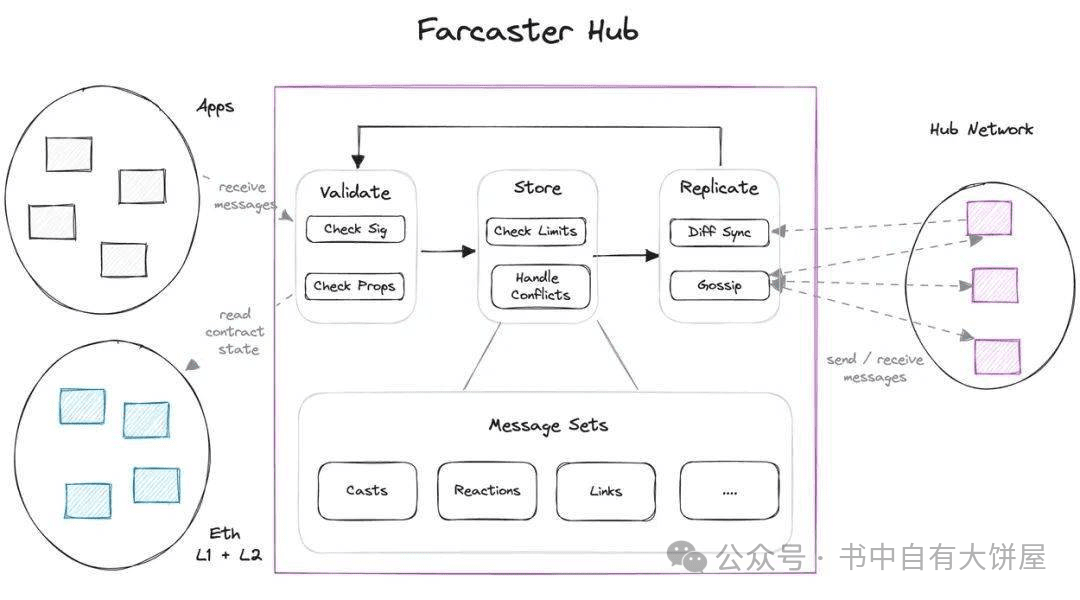
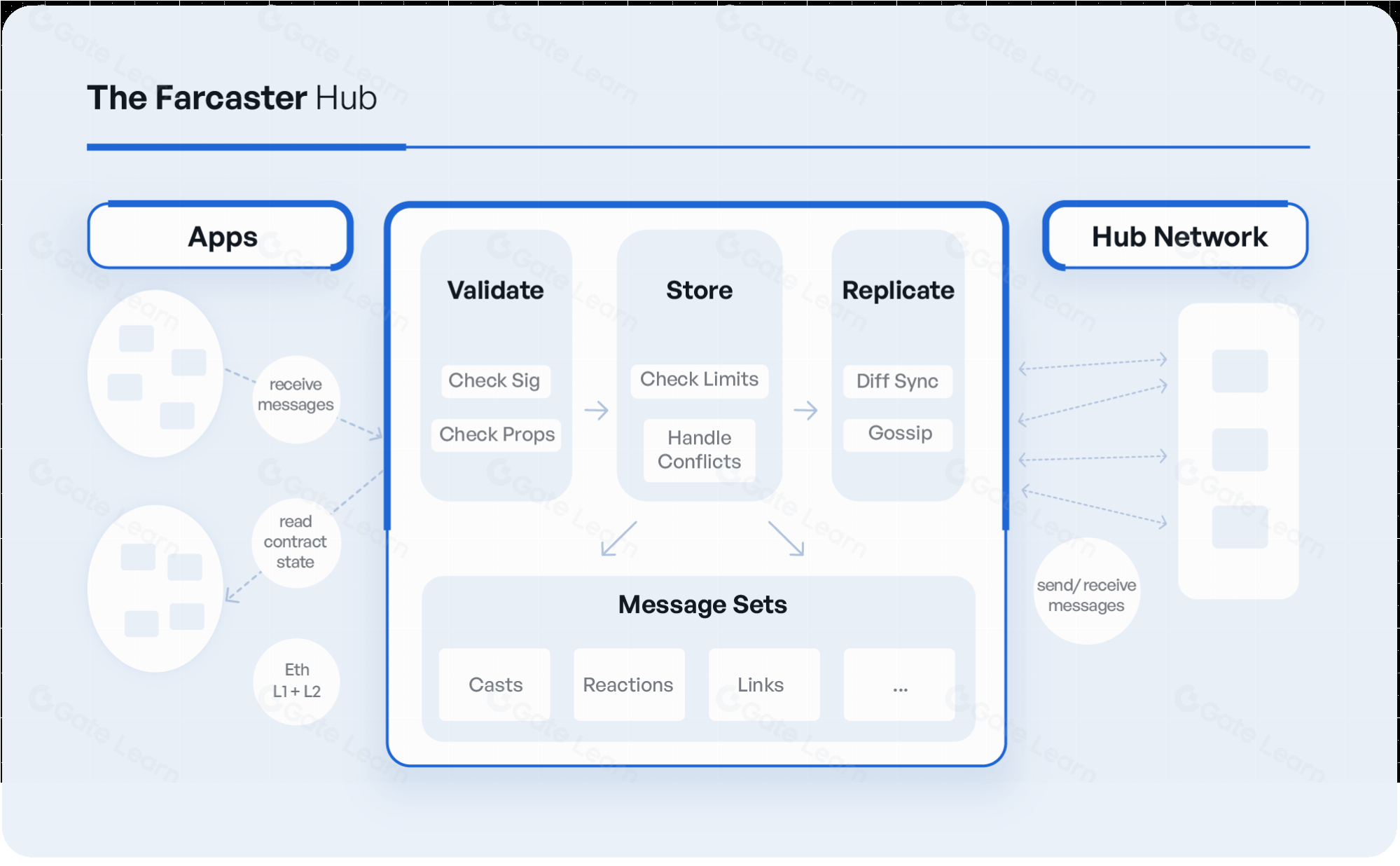
To monetize effectively on Farcaster, you first need to understand the data layer. The Farcaster protocol uses smart contracts to manage social interactions, making the network programmable and decentralized. This means no single entity owns the data, giving users full control over their audience and content. However, this decentralization comes with a technical requirement: you must sync the network to a local machine to run queries and analyze trends in real time.
Syncing the network involves running a Snapchain node. This process gives you realtime access to the data needed to build tools, frames, or analytics dashboards for creators. While running a node is free, it requires access to RPC endpoints for Ethereum and Optimism. Understanding this infrastructure is the first step in leveraging Farcaster’s unique architecture for monetization strategies.
The benefits of this setup are significant. By syncing and analyzing data directly, you avoid relying on third-party aggregators that may lag or censor. You maintain ownership of your data pipeline, ensuring that your monetization tools are built on accurate, uncensored information. This level of control is what distinguishes Farcaster from traditional social platforms.
For those new to the space, it is important to note that Farcaster is free to use. The primary costs come from infrastructure, such as RPC access and storage, rather than platform fees. This low barrier to entry allows creators and developers to experiment with monetization models without heavy upfront investment. As the ecosystem grows, the ability to sync and analyze data will become increasingly valuable for those looking to build sustainable revenue streams.
Farcaster sync analysis choices that change the plan
Use this section to make the Farcaster Sync Analysis decision easier to compare in real life, not just on paper. Start with the reader's actual constraint, then separate must-have requirements from details that are merely nice to have. A practical choice should survive normal use, maintenance, timing, and budget. If a recommendation only works in an ideal situation, call that out plainly and give the reader a fallback path.
| Factor | What to check | Why it matters |
|---|---|---|
| Fit | Match the option to the primary use case. | A good deal still fails if it does not fit the job. |
| Condition | Verify age, wear, and service history. | Hidden condition issues erase upfront savings. |
| Cost | Compare purchase price with likely upkeep. | The cheapest option is not always the lowest-cost option. |
Choose the next step
Farcaster Sync Analysis works best as a sequence, not a scramble through settings. Do the minimum first: confirm compatibility, connect the core hardware, update only when needed, and test the result before adding optional features. That order keeps the task understandable and makes failures easier to isolate. After each step, pause long enough for the interface to finish syncing. Many setup problems are timing problems disguised as configuration problems. If the same step fails twice, record the exact error, restart the smallest affected piece, and retry before moving deeper.
Avoid Weak Infrastructure Choices
Many creators assume that simply connecting to a public endpoint is enough to build a monetization engine. This is a dangerous misconception. Without a dedicated Snapchain node, you are subject to rate limits, data lag, and potential outages that can break your application during peak usage.
The Farcaster protocol relies on smart contracts on Ethereum and Optimism to manage identity and social graphs. While running a node is free, it requires reliable RPC access to these underlying chains. If you rely on third-party aggregators, you inherit their downtime. For serious monetization, direct infrastructure control is not optional; it is the baseline.
Do not treat data sync as a background task. Syncing the network to a local machine allows you to run complex queries on user interactions and frames. This local sovereignty is what separates a fragile toy app from a resilient monetization platform.
Farcaster sync analysis: what to check next
Before committing to a sync infrastructure, it helps to understand the underlying mechanics and costs. The answers below address the most common technical and financial objections readers face when evaluating creator monetization on Farcaster.
Helpful gear
Use these product recommendations as a starting point, then choose the size, material, and price point that fit how you actually use the gear.

As an Amazon Associate, we may earn from qualifying purchases.
No comments yet. Be the first to share your thoughts!