How Farcaster Sync Works
Farcaster hubs don’t share the entire state of the network every time a new message arrives. Instead, they use a system called delta graphs to track changes. Think of it like a ledger where only the differences between versions are recorded. When a user posts a message, the hub doesn’t resend every previous post; it sends just the new delta. This keeps bandwidth usage low and allows the network to scale efficiently without requiring every participant to store and process the entire history of every message instantly.
To keep all hubs in agreement, Farcaster uses two distinct synchronization modes: snapshot sync and gossip sync. Snapshot sync is the heavy lifter. It’s a fast, initial synchronization method that brings a new or lagging hub close to the current network state. It’s like downloading a full backup of a database to get up to speed quickly. This ensures that even if a hub goes offline for a while, it can catch up without missing critical context.
Once a hub is caught up, it switches to gossip sync. This mode is faster and lossy, meaning it prioritizes speed over perfect order. It fetches new messages via libp2p, the peer-to-peer networking protocol that powers much of the decentralized web. Gossip sync propagates new messages across the network in a “gossip” fashion, where each hub shares new data with its neighbors, who then share it with theirs. This creates a rapid, organic spread of information that keeps the network live and responsive.
This dual approach balances efficiency with speed. Snapshot sync ensures data integrity and completeness, while gossip sync ensures that new messages propagate quickly across the network. Understanding this mechanism is essential for evaluating any tool that interacts with Farcaster, as the performance of these sync processes directly impacts the reliability of the data you’re analyzing.
Hub Infrastructure Options
Use this section to make the Farcaster Sync Analysis decision easier to compare in real life, not just on paper. Start with the reader's actual constraint, then separate must-have requirements from details that are merely nice to have. A practical choice should survive normal use, maintenance, timing, and budget. If a recommendation only works in an ideal situation, call that out plainly and give the reader a fallback path.
| Factor | What to check | Why it matters |
|---|---|---|
| Fit | Match the option to the primary use case. | A good deal still fails if it does not fit the job. |
| Condition | Verify age, wear, and service history. | Hidden condition issues erase upfront savings. |
| Cost | Compare purchase price with likely upkeep. | The cheapest option is not always the lowest-cost option. |
Developer Tools for Sync
Building on top of Farcaster requires moving beyond simple API calls. To run complex sync analysis, you need direct access to the historical state of the hub. The Farcaster documentation provides the foundational scripts and instructions for syncing the network to a local machine, allowing you to run custom queries against the raw data docs.farcaster.xyz.
For builders who need real-time data without managing the full node infrastructure, Snapchain offers a managed alternative. This tool provides real-time access to Farcaster data, functioning as a specialized node that streams events directly to your application. It is particularly useful for applications that require low-latency updates without the overhead of maintaining your own sync process.
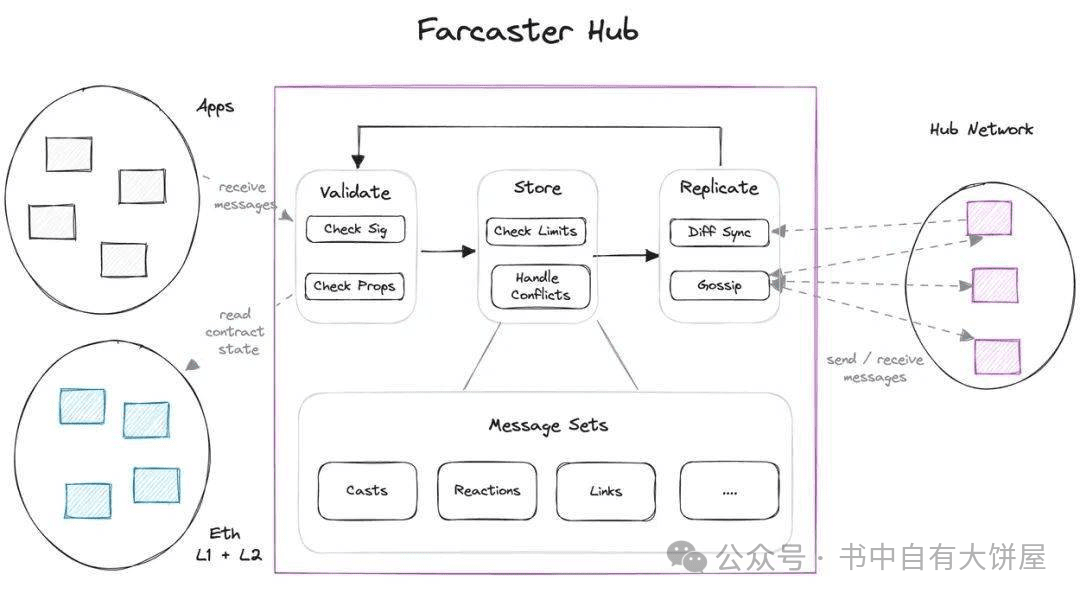
The choice between running a local node or using Snapchain depends on your specific sync analysis needs. Local nodes offer complete control over the data history, which is essential for deep historical analysis. Snapchain, on the other hand, is better suited for applications that prioritize real-time performance and ease of integration.
Core Sync and Query Tools
-
Local Farcaster Node
Sync the full network history to a local database. Ideal for deep historical analysis and custom query building. Requires significant storage and compute resources. -
Snapchain
A managed node solution providing real-time data access. Best for applications needing low-latency updates without managing infrastructure.
Creator tools and monetization
Reliable Farcaster sync data is the foundation for modern creator tools. When hubs and applications stay in step, creators can focus on building rather than troubleshooting data gaps. This reliability enables new monetization strategies that were previously impossible on fragmented social networks.
The current sync model uses delta-based updates, meaning hubs compare and copy only new changes. This approach reduces bandwidth and speeds up data propagation across the network. For developers, this means faster access to user profiles, casts, and reactions, which is essential for real-time engagement metrics.
This infrastructure shift allows for more sophisticated monetization features. Creators can now integrate on-chain payments, subscriptions, and tip jars directly into their social feeds without relying on third-party intermediaries. The decentralized nature of Farcaster ensures that these transactions are transparent and secure, giving creators full control over their earnings.
To support this ecosystem, developers are building specialized tools that leverage Farcaster's open protocol. These tools range from analytics dashboards to automated content distribution platforms. By using official Farcaster APIs and sync data, creators can access detailed insights into their audience and optimize their content strategy accordingly.


As an Amazon Associate, we may earn from qualifying purchases.
Network health and growth
Farcaster’s infrastructure is scaling alongside its user base, creating a clear need for reliable sync tools. As the network matures, the volume of on-chain and off-chain data grows, making latency and consistency critical for developers and users alike.
The ecosystem’s health is closely tied to its underlying financial metrics. A healthy network typically reflects in stable token performance and active developer participation. Understanding these trends helps explain why robust sync infrastructure isn’t just a technical preference—it’s a business necessity.
No comments yet. Be the first to share your thoughts!